[Editorial] Expanding the Organization Is Not the Answer to Strengthening Fair Trade Order
- Input
- 2026-05-13 18:10:34
- Updated
- 2026-05-13 18:10:34
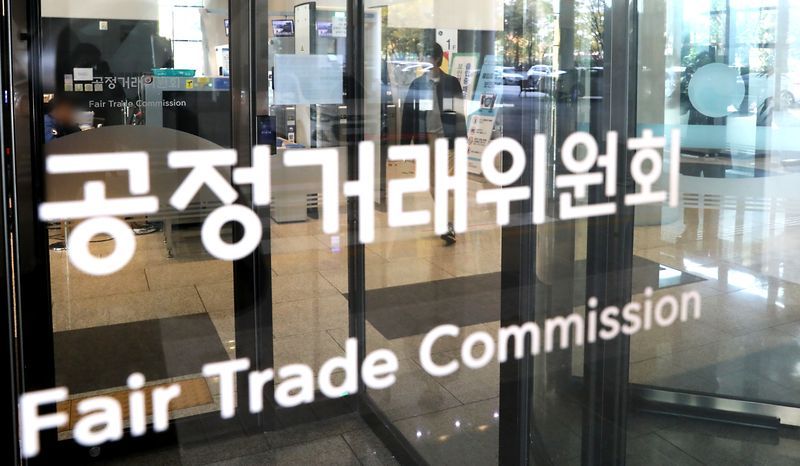
It is impossible to predict the exact size or role of a revived investigative bureau, but even the possibility alone is enough to put the business community on edge. If the bureau is brought back, it could have a major impact on corporate management, so its ripple effects must be carefully weighed.
Established in 1996, the investigative bureau earned a reputation as the "grim reaper of the business world" by leading probes into unfair support for large companies and internal trading. There was a clear reason it was abolished in 2005. Criticism had mounted that the bureau was stifling even normal business activity. Looking back at why it was dismantled, the government should carefully consider whether reviving it now is appropriate.
Moreover, even after the bureau was abolished, the KFTC's authority continued to grow. From revisions to the Fair Trade Act to higher standards for imposing fines and the creation of the Corporate Group Bureau, enforcement tools have steadily expanded and strengthened. That means the institutional framework for supporting fair competition is already fairly well established, even without restoring the agency to the scale it once had. It is questionable whether reviving an old organizational structure is really the only way to improve the KFTC's efficiency.
What is even more concerning is the nature of bureaucratic organizations. If a bureau-level unit becomes permanent, it must deliver results and prove its existence. In that process, excessive investigations could become more common. A well-intentioned effort to strengthen investigative capacity could turn into a blade that constrains corporate activity. In other words, the familiar ills of bureaucratic behavior could emerge.
Of course, the need for swift action against major cartels and abuses of market dominance that undermine fair market order is valid. It is also true that rapid digital expansion has made market monitoring more important in response to new forms of unfair trade practices, such as platform monopolies. Even so, the first step should be to examine whether these problems can be addressed through other measures, including strengthening the expertise of existing staff.
As the new government takes office, it is stressing deregulation to create a better business environment. In that context, if the investigative bureau once known as the grim reaper is revived, the business community will inevitably feel uneasy. If the KFTC truly wants to earn market trust, it should prove itself through fair procedures, not organizational muscle. Bringing back a unit abolished 21 years ago is not the answer. We must not repeat the mistake of returning to an era of excessive pressure on companies.