Grace period for owner-occupancy when selling tenant-occupied homes in land transaction permit zones until lease ends
- Input
- 2026-05-12 11:30:00
- Updated
- 2026-05-12 11:30:00
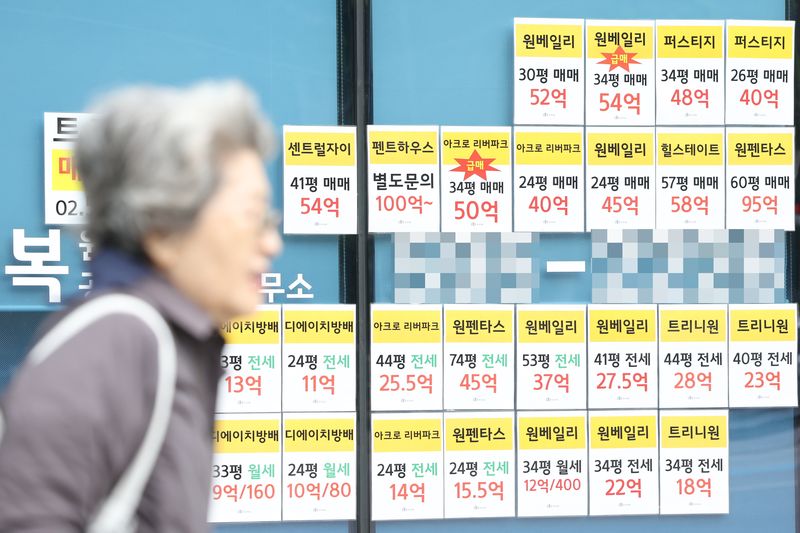
According to the Ministry of Land, Infrastructure and Transport (MOLIT) on the 12th, the government will expand the cases in which a buyer’s move-in obligation is deferred until the end of a lease when purchasing a home that is rented out or has a jeonse right established in a land transaction permit zone. Previously, the grace period for owner-occupancy was allowed only in a limited number of homes sold by some multi-homeowners. Under the new rule, the scope will be widened to all tenant-occupied homes, including homes owned by single-homeowners who do not live in them.
At present, anyone who buys a home in a land transaction permit zone must move in within four months after approval and live there for two years. That made sales involving a jeonse deposit effectively difficult. The government said the measure is meant to facilitate transactions for tenant-occupied homes and address fairness concerns among sellers.
The grace period will apply only to homes that are already rented out as of the announcement date, the 12th. Buyers must apply for and obtain a land transaction permit by Dec. 31 this year, and must acquire and register the home within four months after approval. Even with the grace period, they must move in no later than May 11, 2028.
The government also introduced safeguards to block speculative transactions. Only people who have remained without a home since the announcement date will be eligible for the grace period. Those who sell their existing home after the announcement and become homeless will not qualify.
MOLIT said the measure does not allow new gap investment. The grace period applies only to homes that were already rented out as of the announcement date, and the owner-occupancy requirement remains in place after the lease ends.
Minister Kim Yoon-deok said, "This expanded grace period for owner-occupancy is being implemented while maintaining the principle of not allowing gap investment." He added, "We expect even sellers who had been considering selling because tenants were in place to take a more active approach." He also said, "We will block speculative demand and improve the housing market by focusing on transactions driven by real demand, while also pushing ahead without disruption with efforts to expand housing supply in Seoul and the greater metropolitan area."
Meanwhile, the government cited the recent rise in transaction volume within land transaction permit zones as another reason for the measure. Apartment sales in Seoul totaled 5,900 in January, 5,600 in February and 6,400 in March this year, all above the five-year average of 4,100. The share of multi-homeowners’ sales bought by first-time homebuyers in Seoul apartments also rose from an average of 56% last year to 73% in March this year.
Market participants are watching for signs of a normalization in transactions, along with a possible recovery in the Gangnam area. Some, however, worry that the broader use of jeonse-backed deals could reignite controversy over gap investment. Attention is also likely to focus on whether trading patterns change in key Seoul districts such as Jamsil, Daechi-dong, Samseong and Cheongdam-dong.
[email protected] Jang In-seo Reporter