[Editorial] HMM Namu Attack: Reveal the Truth and Respond Firmly and Principledly
- Input
- 2026-05-11 18:25:15
- Updated
- 2026-05-11 18:25:15
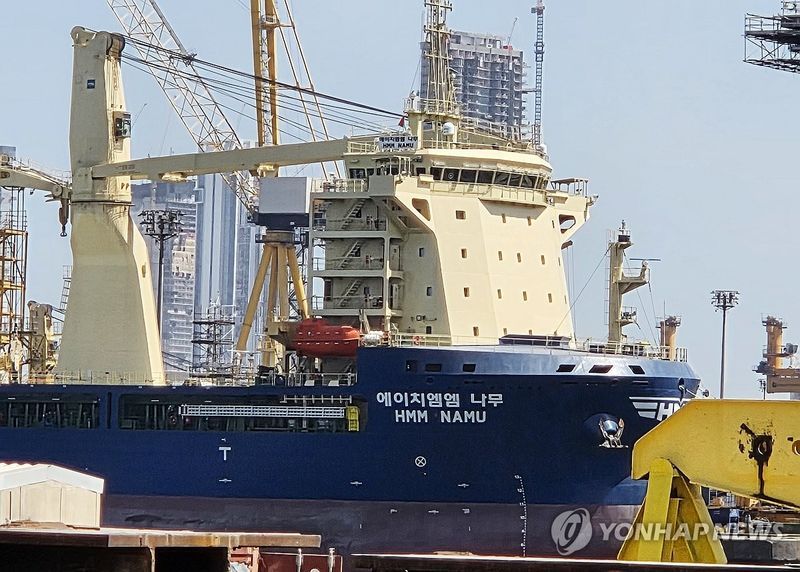
Above all, the identity of the attacker must be determined thoroughly and rigorously. On the day of the incident, U.S. President Donald Trump had already treated Iran's involvement as a foregone conclusion and publicly pressed South Korea to contribute militarily. But drawing diplomatic conclusions based only on suspicion and circumstantial evidence is dangerous. The more an incident occurs in a conflict zone, the more essential it is to conduct a thorough investigation and make decisions grounded in fact.
Once a conclusion is reached on that principle, it should be followed by a firm and consistent diplomatic response. South Korea is now struggling over whether to deploy forces to the Strait of Hormuz. Since a South Korean civilian shipping company has been attacked, it is only natural for the state to step in and provide protection. In making such a decision, the government must place national interest first and follow proper procedures.
For example, deploying the Cheonghae Unit to the waters off the Strait of Hormuz requires National Assembly approval, so the government should base its judgment on verified facts while also complying with domestic procedures. If the government limits itself to general principles, it will win neither the trust of the international community nor public reassurance at home.
The way this case is handled will serve as an important barometer for the many issues that may arise from the Middle East crisis. First, there is no sign that the crisis in the Middle East will be resolved anytime soon. The Strait of Hormuz has in effect been blocked for three months. After the attack on HMM Namu, the chances of shipping operations resuming in the Strait of Hormuz also appear slim. Similar maritime accidents could happen again.
How the government should respond next time will be judged by how it handles the HMM Namu case. Because this incident will set a precedent, it must be dealt with on the basis of facts and principles. Otherwise, the next incident will create even greater confusion and weaken the government's bargaining power. The government must keep in mind that the response principles established now will become the crisis-management manual for the future.
Moreover, the reason this case must be met with a firm response is that the economic fallout has already reached a serious level. The attack on HMM Namu is not simply damage to one ship. The longer instability in the Strait of Hormuz continues, the more the shock spreads across the South Korean economy as a whole. Seventy percent of South Korea's crude oil imports come from the Middle East, and 95 percent of that passes through the Strait of Hormuz. Higher oil prices, rising marine insurance premiums, and soaring detour costs are all adding to the burden.
As a result, key industries such as semiconductors, cars, and Petrochemicals are all being shaken. Disruptions in Naphtha supply are spreading across manufacturing and construction, while the airline industry has already begun cutting routes and placing employees on unpaid leave. A clear stance by the South Korean government on the Middle East crisis could help reduce the risks posed by its prolonged nature.