Iran ceasefire talks stall over denuclearization dispute; will the decision be made in China?
- Input
- 2026-05-11 13:45:31
- Updated
- 2026-05-11 13:45:31
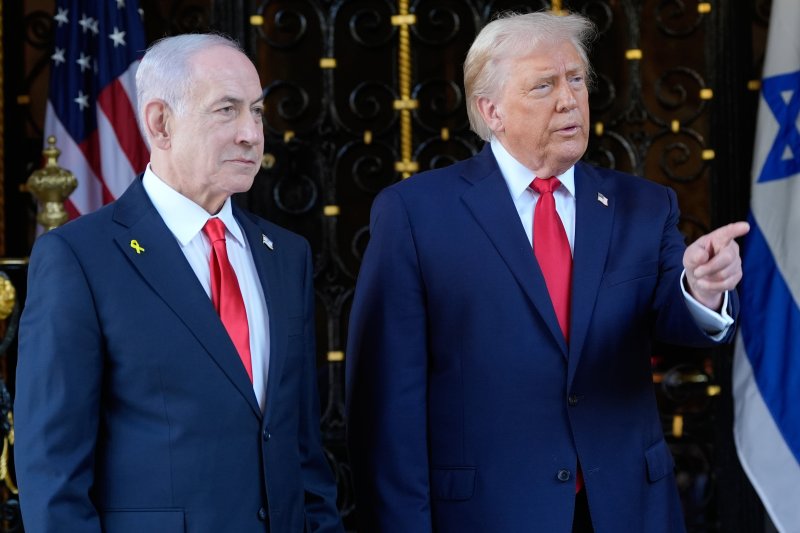
[The Financial News] The United States and Israel voiced public dissatisfaction with talks with Iran on the 10th, local time, darkening the outlook for a ceasefire once again. The two sides remain sharply divided over denuclearization, while the United States is hoping China will persuade Iran.
Trump wrote on Truth Social that he had "just read the response from Iran's so-called 'representatives'" and added, "I don't like it. It is completely unacceptable." He did not say what the dispute was about.
IRNA reported, citing an official, that Iran had "formally delivered its response to the latest U.S. proposal aimed at ending the war to Pakistani mediators." Foreign media outlets claimed on the 6th that the two sides had agreed on a memorandum of understanding to end the war. On the same day, Trump said it was "possible" to reach an agreement with Iran before his China visit this month, scheduled for June 13 to 15.
The Wall Street Journal reported on the 10th, citing officials, that Iran had sent a compromise proposal instead of accepting U.S. demands. Earlier, the United States had presented seven conditions for ending the war: a 20-year suspension of uranium enrichment, dismantling of Iran's three major nuclear facilities, a ban on underground nuclear activity, the return of all enriched nuclear material, a pledge to abandon nuclear weapons development, permission for nuclear inspections in Iran with sanctions for violations, and the reopening of the Strait of Hormuz. According to the official, Iran refused to dismantle its nuclear facilities and argued that the suspension period for uranium enrichment should be shorter than 20 years. It also proposed diluting part of its highly enriched uranium and transferring the rest to a third country instead of handing it over. Iran demanded guarantees that it could retrieve the uranium if the agreement collapsed, while also proposing to negotiate denuclearization for the next 30 days. On the Strait of Hormuz, Iran said it would consider a phased reopening after a halt in hostilities and stated that the United States must stop controlling Iranian ships and ports.
That day, Tasnim News Agency, a semi-official Iranian outlet, rejected the report, saying that "WSJ's report on denuclearization is not true." The outlet also claimed that Iran had demanded that the United States lift sanctions on oil sales and unfreeze overseas assets.
Before last year's U.S. and Israeli strikes on its nuclear facilities, Iran held 440 kilograms of uranium enriched to about 60 percent purity. Uranium enriched to more than 90 percent can be used as material for a nuclear bomb. Trump told reporters on the 6th that Iran's uranium "will be secured by us." In a CBS interview on the 10th, Netanyahu said, "Iran has not given up its enriched uranium, has not dismantled its nuclear facilities, and has not stopped supporting proxy forces in the region." He added, "It has also not agreed to limit its ballistic missile program." He explained, "We have weakened it significantly, but those elements are still there. There is still work to do." Netanyahu also said that the enriched uranium inside Iran "can be physically removed out of the country."
In an interview released on the 10th, Trump said of the strikes on Iran, "There were specific targets we wanted, and about 70% of them have been completed." He added, "We could go in for two more weeks and hit every target."
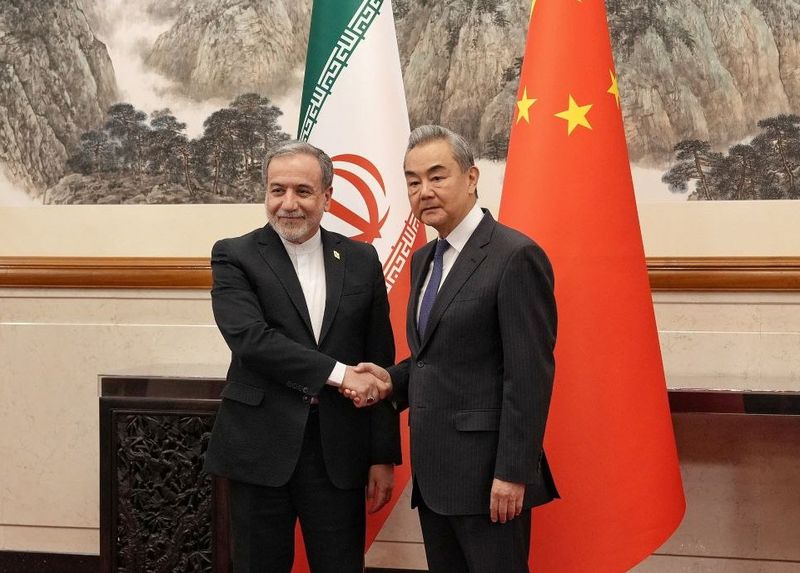
Trump is expected to discuss the Iran issue during his visit to China this month. An unnamed U.S. official told France24 on the 10th that Trump is expected to ask Chinese President Xi Jinping to increase pressure on Iran. The official said Trump had told Xi "several times" in past phone calls not to buy Iranian or Russian oil, and predicted that "such conversations will continue."
[email protected] Park Jong-won Reporter