AI power chip shortages boost the value of older processes, giving non-TSMC and Samsung foundries a lift
- Input
- 2026-05-12 05:58:00
- Updated
- 2026-05-12 05:58:00
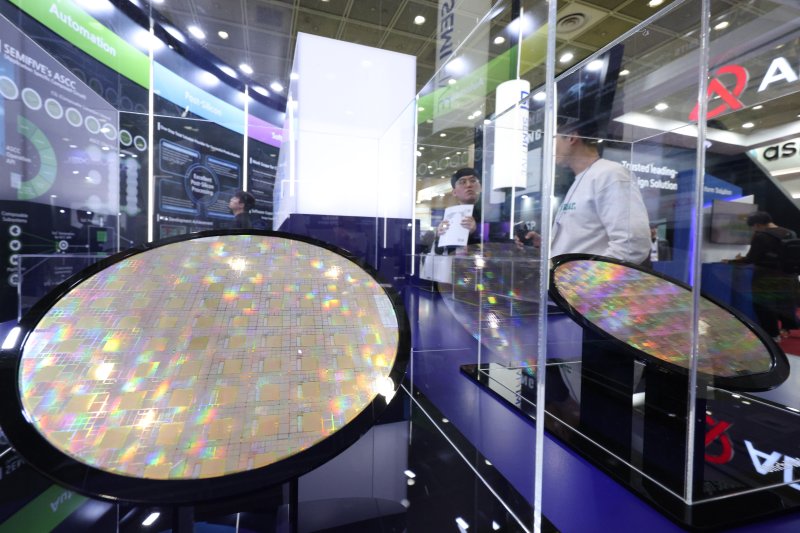
According to market researcher TrendForce on the 10th, average utilization at the world's top 10 foundry companies' 8-inch fabs is expected to rise from about 80% last year to around 90% this year. Global 8-inch capacity is projected to keep shrinking through next year, but utilization rates are likely to climb as demand grows for products that rely on 8-inch processes, including power management integrated circuits (PMICs). Some foundries are already said to be passing price increases on to customers.
Industry observers say the AI era is reviving the importance of mature processes as well as advanced ones. Until now, high-value products such as NVIDIA Corporation's graphics processing units (GPUs) and Qualcomm's mobile chips, which require advanced processes, have been produced on 12-inch wafers.
That is why TSMC and Samsung Foundry have been moving quickly to convert 8-inch capacity to 12-inch-based production. In a recent earnings conference call for the first quarter, Samsung Electronics said, "We are pushing ahead with an operating strategy that boldly streamlines less competitive processes," adding, "We will gradually close lines for 8-inch-based PMICs and display driver ICs (DDIs)."
As major global foundry players shift their production focus toward advanced processes for high-value products, the importance of 8-inch foundries, which are classified as older processes, is paradoxically rising. That is because AI servers still carry many power and auxiliary chips, including PMICs produced on mature 8-inch processes.
DB HiTek, which focuses on 8-inch foundry operations in South Korea, recently said in its earnings report that it expects utilization to stay above 98% in the first half of this year, supported by solid demand for power semiconductors. The company also said it plans to raise selling prices for power semiconductor products in China starting in the second quarter.
An industry source said, "This effect will become even clearer after the second half of 2027," adding, "Supply will become even tighter, and the pricing power of second-tier foundries is expected to strengthen."
[email protected] Jung Won-il Reporter