"The Iran war will fundamentally reshape the global energy system"
- Input
- 2026-05-10 06:12:41
- Updated
- 2026-05-10 06:12:41
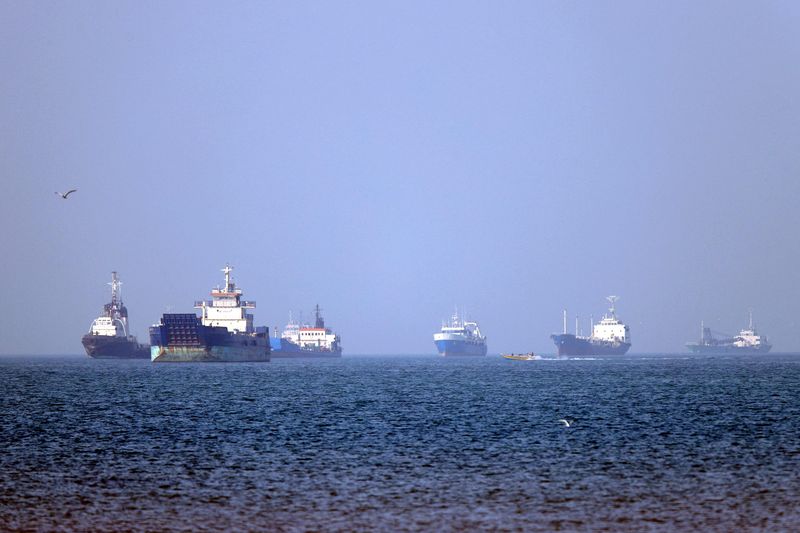
CNBC reported on the 9th local time that the Iran war is expected to fundamentally reshape the global energy system.
That has been the consistent message from executives at major oil and gas companies over the past two weeks of earnings calls.
The outlook comes as Iran's blockade of the Strait of Hormuz has cut off nearly 1 billion barrels of oil supply, and the situation is worsening as inventories are rapidly being depleted.
Expanding oil investment and developing alternative energy sources
SLB CEO Olivier Le Peuch said the crisis has exposed how vulnerable the global energy system is, and predicted sweeping changes will follow.
Lorenzo Simonelli, CEO of Baker Hughes, a rival of SLB, also said the blockade of the strait would make "fundamental structural changes in the energy landscape unavoidable."
They agreed that governments and industry would place energy security ahead of price.
Jeff Miller, CEO of Halliburton, another oilfield services company, stressed that energy security is "no longer just a slogan."
They forecast that investment in oil exploration and production will rise to secure fossil fuel supplies, while investment in low-carbon energy sources will also continue.
Simonelli said investment in geothermal energy, nuclear power, and grid modernization will accelerate. He added that "the key is not just to increase energy supply, but to build a strong and resilient energy infrastructure." He also said the crisis should serve as a lesson, noting that "the challenge is to expand backup capacity and diversify infrastructure to reduce dependence on a single major energy source."
Diversifying supply chains
Industry sources said the closure of the Strait of Hormuz is hitting Asian countries especially hard, underscoring the need to diversify supply chains.
They said reducing dependence on the Middle East has become an urgent task for Asian nations.
Darren Woods, CEO of ExxonMobil, said countries will reassess how to secure energy security so they are not exposed to the same risks in the future.
CEOs at Baker Hughes and other oilfield services companies expect governments to go all in on diversifying energy supply chains.
They also said the importance of the strategic petroleum reserve (SPR) for emergencies has become clear, and that once the war ends, countries will rebuild stockpiles to levels above historic norms.
Sustained high oil prices
Miller of Baker Hughes said the oil market, which had initially been expected to face oversupply this year, has sharply shifted to a supply shortage. He added that prices are likely to remain elevated amid the supply-demand imbalance.
SLB CEO Le Peuch also said high oil prices will persist even after the war ends, and he expects active investment in offshore and deepwater oilfield development in Africa, the Americas, and Asia.
Le Peuch said Africa is especially attractive as a long-term investment destination because it still holds vast untapped oil and gas resources.
Meanwhile, Kaes Van't Hof, CEO of Diamondback Energy, the largest U.S. shale oil producer, said U.S. oil has become more important to global energy security. U.S. crude exports are setting new all-time highs because of the Iran war.
[email protected] Song Kyung-jae Reporter