"If This Doesn't Happen, the War Won't End": The United States' 'Shocking Seven Demands' to Iran Stun the World
- Input
- 2026-05-08 20:18:02
- Updated
- 2026-05-08 20:18:02
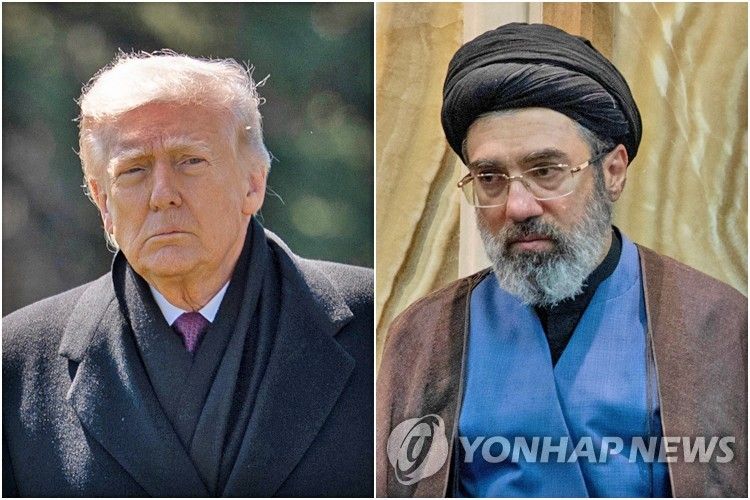
[The Financial News] The ceasefire negotiations between the United States and Iran are moving on a knife edge. The United States has effectively presented Iran with a final line that looks very close to a surrender document, drawing global attention. With growing speculation that the talks could collapse entirely if Iran refuses to accept it, tensions have reached a peak.
According to a report by The Wall Street Journal on the 6th local time, the ceasefire terms U.S. officials have put before Iran are extremely harsh. To tighten the noose around Iran, Washington has laid out seven absolute conditions.
The most shocking demand is a moratorium on uranium enrichment for as long as 20 years. At first, a 12- to 15-year suspension had reportedly been discussed inside and outside the negotiating room, but the United States firmly insisted on 20 years. In addition, it is demanding the complete dismantling of key nuclear facilities in Fordow, Natanz, and Isfahan, a total ban on underground nuclear activity, the surrender of all enriched nuclear material, a permanent pledge to abandon nuclear weapons development, and surprise inspections with immediate sanctions for violations. For Iran, the pressure amounts to being asked to give up nearly every last shred of national pride.
Washington's plan for the Strait of Hormuz, the energy artery that moves the global economy, is equally meticulous. In exchange for lifting its own maritime blockade, the United States is pushing Iran to gradually lift its blockade as well and fully open the strait in the final agreement.
Even more astonishing is Washington's demand that Iran hand over its nuclear material down to the last gram. The United States wants Iran to give up all of its 440 kilograms of 60% highly enriched uranium, which is considered weapons-grade, as well as 20% enriched uranium and even thousands of kilograms of low-enriched uranium below 5%. The demand reflects deep-seated distrust in Washington, which believes that even low-enriched uranium left in Iran's hands could become the spark for rebuilding its nuclear program at any time.
Iran has reacted furiously to these excessive demands and is taking a hard-line stance.
According to the Institute for War Studies and The New York Times, the Iranian side has rejected the U.S. demands outright and drawn its own red lines. It says there can be no retreat unless its right to enrich uranium is recognized, control over the Strait of Hormuz is maintained, sanctions on Iran are fully lifted, and frozen assets are returned. Behnam Saeedi, deputy chair of the National Security and Foreign Policy Committee of the Iranian Parliament, warned bluntly, "If our right to uranium enrichment is not recognized, the negotiations will fail miserably."
Iran has proposed alternatives, including diluting part of its highly enriched uranium or transferring it to Russia, and compromising on a 10- to 15-year suspension period. But the talks remain deadlocked. Moreover, Ahmad Vahidi, one of the most powerful figures in Iran and a commander of the Islamic Revolutionary Guard Corps (IRGC), has also expressed deep skepticism about negotiations with the United States, further hardening the mood inside the country.
The two sides plan to first sign a memorandum of understanding outlining the broad framework of the ceasefire negotiations, then work out the details during a precarious 30-day truce. But with both sides still far apart, the crisis remains at a hair-trigger point, and no one knows when the powder keg could explode again.
[email protected] Jeon Sang-il Reporter