Japanese Companies Fear Bankruptcy as High Oil Prices Bite, Secure Emergency Credit Lines Worth 2.5 Trillion Yen
- Input
- 2026-05-08 16:19:20
- Updated
- 2026-05-08 16:19:20
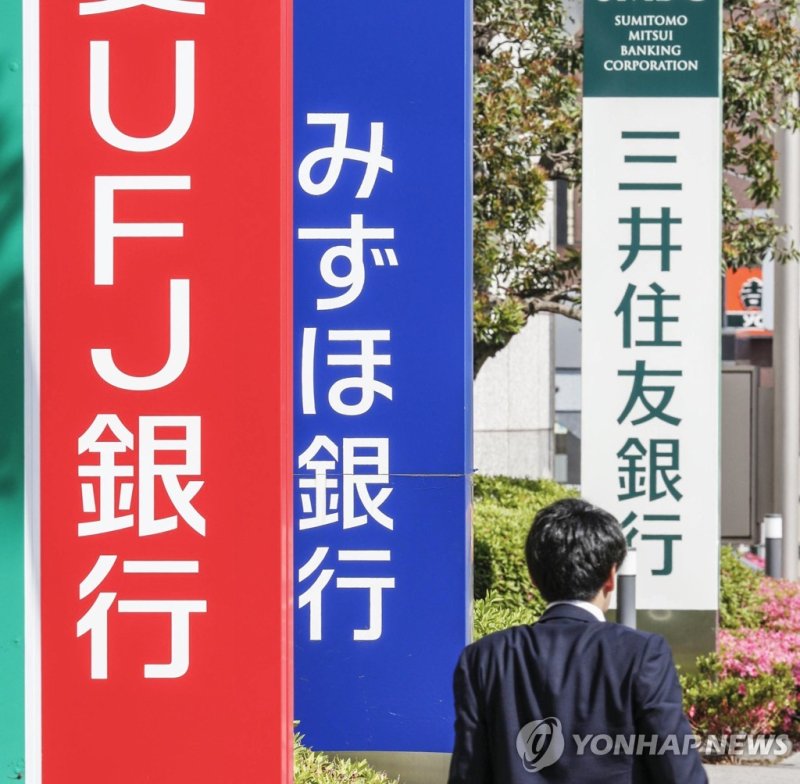
[Financial News Tokyo = Correspondent Seo Hye-jin] Japanese companies are rushing to secure cash through credit line agreements to avoid "oil shock bankruptcies" amid shortages of crude oil and surging prices, The Nikkei reported on the 8th.
According to the Bank of Japan (BOJ), the size of credit line agreements, which allow companies to borrow from banks within a set limit, rose by 2.5058 trillion yen in March. That was the first monthly increase of more than 2 trillion yen since April and May 2020, when the COVID-19 pandemic was at its peak.
The amount actually drawn by companies during the same period also increased by 1.1547 trillion yen. Based on outstanding balances, it was up 31% from a year earlier. The growth rate was the highest since May 2020, when it rose 37%.
A credit line agreement is a system that allows a company to pay a fee to a bank and borrow funds when needed within the agreed limit. Once the contract is in place, a company can quickly raise funds if working capital runs short.
During the COVID-19 pandemic in 2020, use of credit line agreements also surged. The Nikkei said companies and financial institutions are now taking preemptive action, learning from the lesson that some firms were driven into "COVID bankruptcies" after a sudden collapse in consumer spending cut off sales.
F&LC, the restaurant giant that operates the conveyor-belt sushi chain Sushiro, announced on March 26 that it had signed credit line agreements worth a total of 20 billion yen with Mizuho Bank, Ltd. and Mitsui Sumitomo Bank. The company said the arrangement was designed to build a financing structure that can respond stably and flexibly to future funding needs.
Hitomile, formerly Kakuya Group, which operates the liquor store chain Nandemo Sakaya Kakuya, also announced on March 17 that it would sign a 5 billion yen credit line agreement with eight banks, including Mizuho Bank, Ltd. The purpose is to secure working capital, including funds for purchasing alcoholic beverages.
Subaru signed a 100 billion yen credit line agreement with Mizuho Bank, Ltd. and others on March 31. The funds will be used for business operations, and the company said the move was intended to diversify its financing options in a volatile business environment.
The Nikkei reported that if disruptions to crude oil supplies caused by the Middle East situation become a reality, the size of these agreements could grow further.
Meanwhile, the Japanese government is expanding support for small and midsize companies, which are relatively weaker financially, in response to the Middle East situation.
Japan Finance Corporation and other institutions began including companies whose sales have plunged due to the impact of the Middle East situation in special low-interest loan programs starting on the first day of last month. Among regional banks, Musashino Bank and Hiroshima Bank have also launched special loans for working capital and facility investment.
MUFG Bank, Ltd. has assigned Middle East-related staff to branches nationwide to assess whether small and midsize corporate clients and mid-tier companies are being affected, and it is sharing the information with headquarters. The bank said, "It is not an immediate cash crunch, but there are growing concerns about disruptions to logistics networks."
As the de facto blockade of the Strait of Hormuz drags on, shortages of raw materials such as naphtha are gradually pushing up material prices.
TOTO, a Japanese bathroom fixtures maker, has temporarily suspended orders for residential unit baths. The Nikkei said that if companies begin full-scale production adjustments, sales declines across the entire supply chain, including subcontractors, will be unavoidable.
[email protected] Seo Hye-jin Reporter