Inflation’s Defense Line Breached by Middle East Oil Prices... Food Prices Fall Silent Under Government Pressure [Trend Recipe]
- Input
- 2026-05-09 09:00:00
- Updated
- 2026-05-09 09:00:00
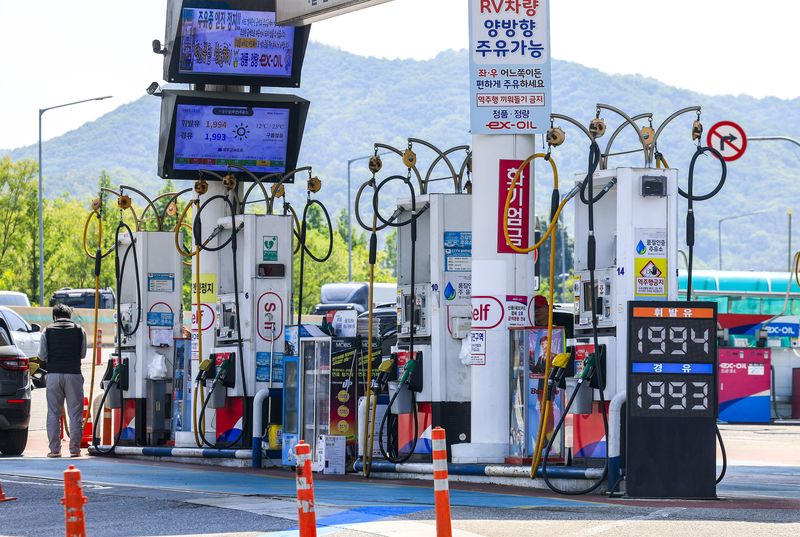
[Financial News] As international oil prices surged on the fallout from the war in the Middle East, inflation’s so-called defense line has been collapsing one after another. Fuel prices have begun to affect overall inflation in earnest, with petroleum products posting their sharpest rise in 3 years and 9 months and pushing up the broader consumer price index. By contrast, prices for processed foods and other household staples are showing a different trend, as government pressure to cut prices and improved supplies of farm and livestock products due to weather conditions have narrowed the pace of increase.
According to the Ministry of Data and Statistics on the 9th, the consumer price index last month stood at 119.37, based on 2020=100, up 2.6% from a year earlier. That marked the largest increase since July 2024, when it also rose 2.6%.
Consumer inflation had been on a downward trend, falling 2.3% in December last year and 2.0% in January and February this year. But after rising 2.2% in March due to the impact of the war in the Middle East, it climbed another 0.4 percentage point last month.
Petroleum product prices jumped 21.9%, lifting overall inflation by 0.84 percentage point. The increase was the steepest in 3 years and 9 months, since July 2022, when the Russo-Ukrainian War was in its early stages and petroleum prices surged 35.2%.
More specifically, gasoline prices rose 21.1% and diesel prices 30.8%, both marking their biggest increases since July 2022, when they climbed 25.5% and 47.0%, respectively. Kerosene prices also rose 18.7%, the sharpest increase since February 2023, when they jumped 27.1%.
Car repair costs rose 4.8%, while engine oil replacement fees climbed 11.6%. Laundry charges, which use naphtha-related materials, also saw a larger increase than in the previous month, rising 8.9%.
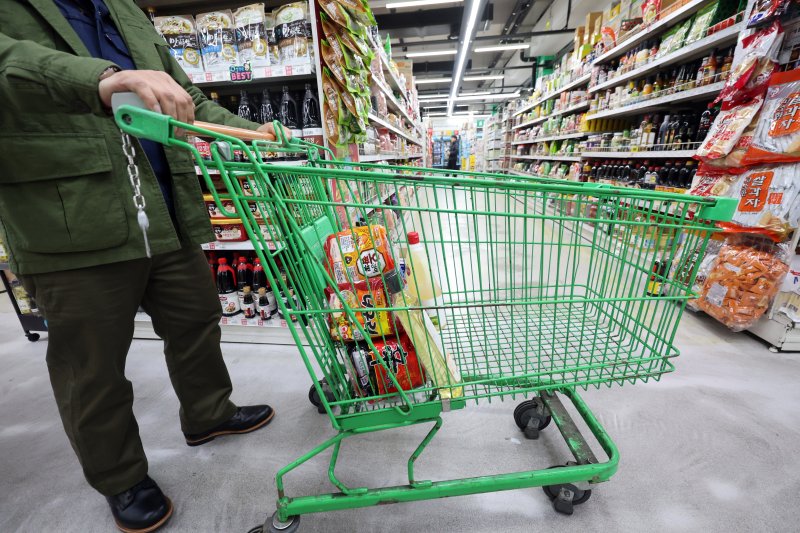
On the other hand, processed food prices rose 1.0%, down from 1.6% in the previous month. In particular, dining out among personal services increased 2.6%, but that was the smallest rise since September 2024. Analysts say this reflects the government’s stronger push for price stability, including pressure on food companies to lower processed food prices from the beginning of the year.
Service prices rose 2.4%, unchanged from the previous month.
Prices for farm, livestock and fishery products fell 0.5%. Vegetables dropped sharply, with radish down 43.0%, carrots 42.0%, onions 32.0%, and napa cabbage 27.3%, bringing the overall vegetable price index down 12.6% amid weather-related supply conditions. Rice, which saw a reduction in cultivated area, rose 14.4%, while imported beef, whose import prices increased, climbed 7.1%, posting relatively larger gains.
As a result, the cost-of-living index, which reflects prices of frequently purchased items and indicates how inflation is felt in daily life, rose 2.9%. The fresh food index, however, fell 6.1%.
An official at the Ministry of Data and Statistics said, "Dining out and processed foods have not risen noticeably." The official added, "How quickly the war ends will likely determine consumer prices going forward."
In response, a government official said, "As uncertainty related to the war in the Middle East has not been resolved, we plan to mobilize all available efforts to stabilize prices felt by the public."
[email protected] Kim Seo-yeon Reporter