"We Need to Create More Affordable Monthly Rentals" [Real Estate Walk]
- Input
- 2026-05-09 09:00:00
- Updated
- 2026-05-09 09:00:00
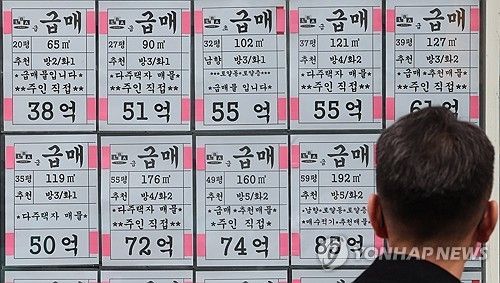
Since the end of the temporary suspension of heavier capital gains taxes on multi-homeowners, many reports have said the jeonse shortage is likely to worsen. Many people who had been renting under jeonse have already taken out loans to buy homes using the listings released by multi-homeowners. In Nowon District, where homes are still under 1.5 billion won, reported contracts in April totaled 707, close to the 735 recorded in March. Gangnam District and Songpa District also saw heavy trading, and half of the buyers were in their 30s.
The Era of Tenant Interviews?
What stands out now is that Seoul's apartment market has already shifted toward preferring monthly rent over jeonse, especially for new or small apartments. In March alone, monthly-rent contracts accounted for 9,071 of the 18,357 apartment lease deals in Seoul, or 49.4% of the total. After the jeonse fraud scandals, monthly-rent contracts for villas and officetels surged. The apartment market is now accelerating in the same direction.
If you listen to people on the ground, there are almost no jeonse listings left, so the market has turned in favor of landlords, and some say tenants are even being interviewed. If jeonse continues to shrink, will it have a major impact on the housing market?
Many people who used to rent under jeonse have already bought homes. Generation Z has also learned very well that living in a monthly-rent home and investing the jeonse deposit in stocks is a smarter move and a shortcut to homeownership. The mood is no longer one that suggests buying a home will become easier two years later just because someone rented under jeonse.
We Need Policies to Expand Affordable Monthly Rentals.
In any case, the housing market itself is shifting toward favoring financial investments over real estate. Even so, we must prevent jeonse prices from soaring simply because there are no listings. Supply is expected to fall sharply over the next few years. Various indicators suggest that the number of move-ins will decline further in three to four years.
A range of supply policies is being introduced, but the problem is that construction costs are also surging due to the fallout from the war between the U.S. and Iran, which is sharply reducing the viability of existing projects. At present, it appears that no complexes in the first-generation new towns redevelopment projects will be able to break ground in 2027. In Ilsan New Town and elsewhere, projects may lose viability altogether, and rising contribution burdens could push some owners to give up on redevelopment.
Ultimately, move-in volumes are expected to plunge over the next few years, and jeonse supply will likely keep shrinking. As homeowners sell off multi-home holdings, the remaining jeonse units are being converted into monthly rentals. If this trend continues, the market may need to supply more monthly rentals than jeonse homes. Stabilizing the monthly-rent market is crucial. Policy must now shift away from expanding jeonse supply and toward creating an affordable monthly-rent market./Choi Won-cheol, supervising professor of the Yonsei University Advanced Program in Future Real Estate Development※This article reflects the author's personal views and may differ from this newspaper's editorial direction.
[email protected] Lee Jong-bae Reporter