[Editorial] Real estate instability requires supply support to keep pace with regulation
- Input
- 2026-05-05 18:17:54
- Updated
- 2026-05-05 18:17:54
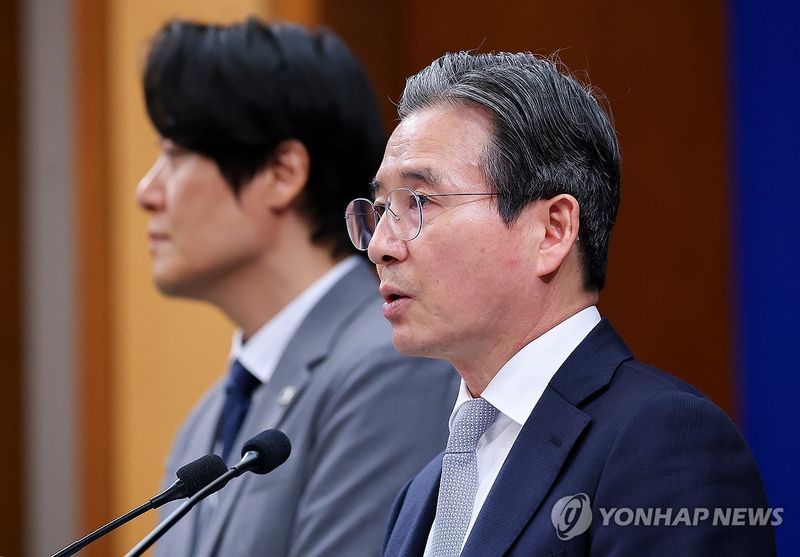
But it is too early to judge the policy as either a success or a failure based on its effects so far. No one can be optimistic about what will happen in the market after the 9th. Real estate policies can have an immediate impact when they are first unveiled. Yet policies that suppress the market in ways that run counter to supply and demand lose their effectiveness over time. The market is already taking a wait-and-see approach as it gauges the fallout from the end of the tax suspension. In some areas, signs of a listing freeze are emerging, including a decline in available properties.
What deserves even more attention is that Kim's remarks contained issues that could affect the real estate market going forward.
First is the long-term holding special deduction. Kim said, "It will of course be maintained," drawing a line under recent speculation that it could be abolished. However, he also said "further consideration is needed" on whether the current structure, which applies the same 40 percent rate to both residence and ownership, fits a market being reshaped around actual home occupancy. While not an abolition, the remarks suggest some adjustments may be made.
Real estate lending also points to the possibility of stronger government pressure. Kim stressed that "loans unrelated to genuine end-user demand should naturally be blocked going forward." The principle of cutting the link between speculative demand and finance is understandable. But as always, the line between "genuine demand" and "speculative demand" is not clear-cut. If the criteria for tighter lending are not clearly defined, the result could effectively be a higher borrowing barrier. That would also have a significant impact on the buying sentiment of genuine homebuyers.
Overall, there is growing concern that demand itself could weaken under the dual pressure of taxes and lending restrictions. To achieve the goal of stabilizing home prices, it is not certain that suppressing demand through taxes and tightening funding through loans will immediately bring stability to the real estate market. Have we not already seen how regulation-heavy policies can suppress demand only to trigger a violent burst of "panic buying" at some point?
If real estate stabilization policies are not to repeat past failures, the government must not simply roll out one regulation after another and worsen market sentiment. More importantly, regulation must be accompanied by supply-side measures. Kim promised that the plan to supply 60,000 homes would "definitely be launched as announced." That promise must not remain words alone. Showing that supply is being realized on the announced schedule is the most urgent task facing the government now. If supply does not keep pace with the speed of demand-suppressing regulation, market instability will only deepen.