Samsung and LG's Q1 TV Results Diverge... Taking the Axe to 'Efficiency Improvements'
- Input
- 2026-05-06 07:59:00
- Updated
- 2026-05-06 07:59:00
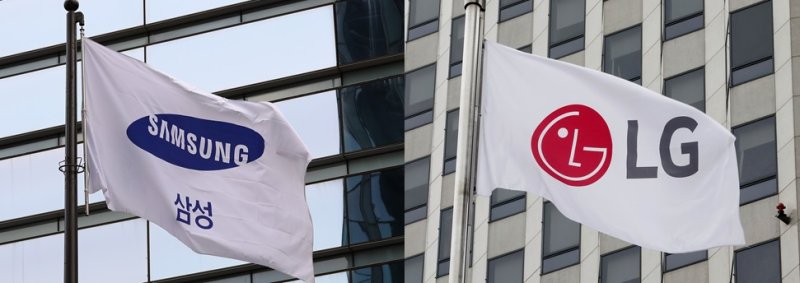
The company is expected to embark on intensive efficiency improvement efforts alongside a change in leadership. 8 billion won in the first quarter of this year. 7% compared to the same period last year.
5 billion won, the company successfully turned a profit by rapidly improving profitability. On the other hand, the atmosphere at Samsung Electronics’ VD (Visual Display) business unit, which is responsible for the TV business, is quite different. 4% decline year-on-year and a 12% decline quarter-on-quarter.
While the individual operating profit of the VD business unit was not disclosed, the combined operating profit with the home appliance business unit was 200 billion won, a 50% decrease year-on-year. Kim Hyun-ho, Vice President of the Video Strategy Marketing Team at the VD business unit, also stated during a recent first-quarter earnings conference call that "profitability compared to the previous year decreased due to stagnant demand across the TV market and rising raw material prices. " The atmosphere between the two companies also differed somewhat regarding the outlook for this year.
During its first-quarter earnings conference call, LG Electronics stated, "This year, the Microsoft Business Division aims to build a cost structure capable of competing with Chinese companies by actively leveraging manufacturing ecosystems in low-cost countries. " The company expressed confidence, adding, "This year, we will achieve revenue growth compared to the previous year and turn around our profitability.
" On the other hand, Samsung Electronics explained, "Following sporting events in the first half of the year, an overall decline in the TV market is expected in the second half, and risk factors arising from macroeconomic and geopolitical issues are also anticipated. " The company added, "Securing performance and profitability in the TV market is challenging due to rising raw material prices and an uncertain external business environment.
" In the TV market, both companies have pursued qualitative growth through the expansion of platform-based advertising and content businesses, alongside premium-centric strategies led by artificial intelligence (AI) and high-value panels. However, as China's offensive extends beyond the existing low-end market to the premium segment, and as online video services (OTT) and mobile-centric viewing experiences expand, the companies could not avoid a slowdown in demand.
Industry observers suggest that the contrasting fortunes of the two companies are due to the effectiveness of internal "belt-tightening" strategies rather than external factors such as sales expansion. LG Electronics took decisive action early on, including conducting voluntary retirement programs centered on its Microsoft Business Division last year.
Furthermore, prioritizing profitability, the company has focused on improving its business structure through cost structure improvements and the expansion of its platform business. It is assessed that the full impact of these efforts, which began to appear this year, led to a dramatic increase in profitability.
Samsung Electronics is also expected to devote its full efforts to boosting the profitability of its TV business through full-scale efficiency improvements starting this year. A prime example of this is the company's recent reported decision to pursue the withdrawal of its TV and home appliance businesses from China.
The unusual one-point reshuffle carried out the previous day, appointing the head of the TV business unit (VD Division), is interpreted as a decision reflecting a sense of crisis over sluggish performance. An industry insider explained, "External conditions for the TV market are expected to remain difficult this year as well," adding, "While who sells more is important, it appears that internal efficiency strategies will ultimately be the key factor determining performance.
"
[email protected] Garden day Reporter