Roh Sang-won in '2nd Investigation Division' case to receive Supreme Court ruling on the 12th; first final verdict among the three major special counsel cases
- Input
- 2026-05-04 14:13:33
- Updated
- 2026-05-04 14:13:33
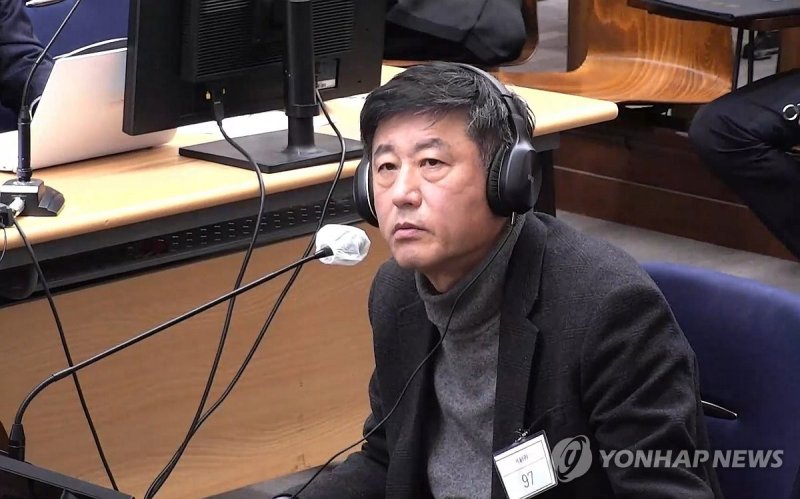
[The Financial News] The Supreme Court of Korea will issue its final ruling on the appeal of former Commander of the Defense Intelligence Command Roh Sang-won on the 12th. He was indicted on charges of receiving personal information on active-duty soldiers under the pretext of investigating allegations of election fraud during the Dec. 3 emergency martial law declaration. This case is expected to become the first Supreme Court decision among the so-called three major special counsel cases involving insurrection, Kim Keon-hee, and the Chae Sang-byeong case.
According to the legal community on the 4th, the Second Division of the Supreme Court of Korea, presided over by Justice Park Young-jae, will hold the sentencing hearing for Roh at 2:30 p.m. on the 12th on charges of violating the Personal Information Protection Act and receiving mediation fees under the Act on the Aggravated Punishment of Specific Crimes. Roh was sentenced to two years in prison and fined 24.9 million won in both the first and second trials.
Roh is accused of obtaining the personal details of Defense Intelligence Command agents while pushing to form a '2nd Investigation Division' to investigate allegations related to election fraud if martial law were declared.
The Special Prosecutor Team for Insurrection and Treason, led by Special Prosecutor Cho Eun-seok, found that he selected 46 elite agents and obtained related personal information from September to December 2024. It also determined that he received 20 million won in cash and about 6 million won in department store gift certificates from current military officers in exchange for promising to help them get promoted.
The trial court in the first instance viewed Roh's actions as advance preparation premised on the execution of martial law. The court said, "It was part of planning and preparing to declare martial law at a specific time, regardless of whether the legal requirements had been met, even before the declaration of martial law," and found the conduct unconstitutional and unlawful.
The appellate court upheld that view. Regarding the bribery-related charges, it said, "The nature of the crime is poor and the culpability is not light." It also noted, "He has consistently blamed junior soldiers or claimed their testimony was false, so the circumstances after the offense are also unfavorable."
Separately, Roh was sentenced in the first trial to 18 years in prison on charges of participating in a key role in insurrection, and his appeal is now under way.
[email protected] Choi Eun-sol Reporter