Who Are the Winners and Losers as the Iran War Enters Its Third Month?
- Input
- 2026-05-03 06:54:31
- Updated
- 2026-05-03 06:54:31
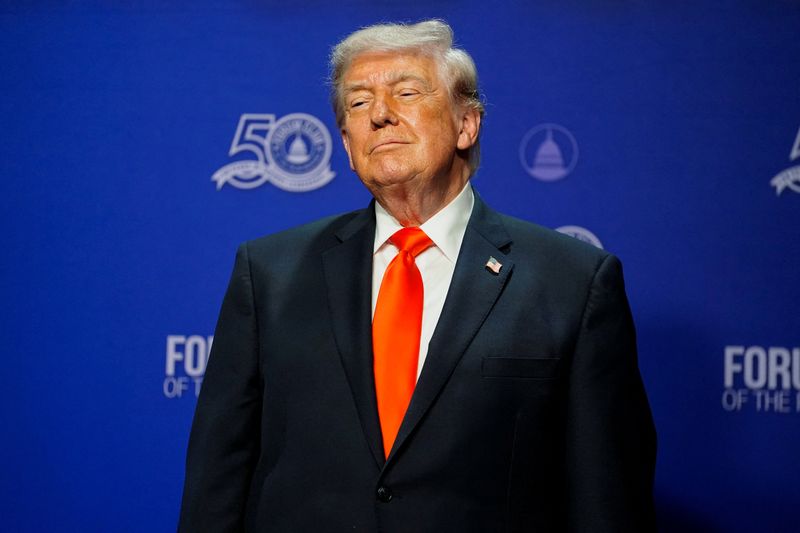
The Iran war is entering its third month.
The war, which President Donald Trump had expected to last as long as six weeks, began with a surprise airstrike on Iran on Feb. 28 local time and is now moving into a lull.
Although Trump told Congress on the 1st that "hostilities with Iran are over," the Strait of Hormuz, which handles 20% of the world's oil and gas shipments, remains blocked.
On the 2nd, CNN said that based on the results seen so far, the short-term winners of this war are Russia and major oil companies, while the losers include the U.S. and Iran, the parties to the conflict, as well as the global economy.
Iran, Lebanon
Iran is the biggest victim.
According to figures from Human Rights Activists in Iran, more than 3,600 people have died in Iran since the war began. More than 1,700 of them were civilians.
The Iranian regime is using the war as an opportunity to purge opposition forces. More than 600 people have been executed since the start of the year.
Lebanon, where Hezbollah, an armed group backed by Iran, is based, is also suffering heavy damage. Since Israel's invasion on March 2, the death toll has surpassed 2,500.
Gulf states
The blockade of the Strait of Hormuz and Iran's retaliation are also inflicting significant damage on Gulf states.
The hardest-hit country is the United Arab Emirates (UAE), which has faced concentrated Iranian attacks. It has been hit more often than other Gulf states and even more than Israel, a party to the war.
The blockade of the Strait of Hormuz has effectively cut off exports of oil, gas and other goods from Iraq, the State of Qatar and Kuwait.
The International Monetary Fund (IMF) has lowered its growth outlook for Gulf states, while warning that Iraq, the State of Qatar and Kuwait could fall into negative growth.
American consumers
Trump insisted that the U.S., as a net energy exporter, would feel little impact from the war, but that has not been the case.
U.S. oil prices are also surging in step with the international market, and inflationary pressure from supply chain disruptions is rising as well.
The Consumer Price Index (CPI) jumped sharply from 2.4% in February, compared with the same month a year earlier, to 3.3% in March.
Higher oil and airfare prices are the main reasons. Consumer sentiment has also plunged and is nearing recessionary levels.
Still, U.S. gross domestic product (GDP) growth in the first quarter came in at 2%, in line with market expectations. Fears that it might have fallen to the low 1% range did not materialize.
Global economy
The global economy has become hostage to the blockade of the Strait of Hormuz.
The IMF sharply raised its forecast for global inflation this year from 3.8% to 4.4%.
It also lowered its growth outlook.
The IMF cut its forecast for global economic growth this year by 0.2 percentage points, from 3.3% in January to 3.1% recently.
Short-term winners
The short-term winners are, first of all, the world's major oil companies.
According to Oxfam International, the combined profits of the world's six largest oil majors — Chevron Corporation, Shell plc, British Petroleum, ConocoPhillips, ExxonMobil and TotalEnergies — are expected to reach $94 billion this year.
That is thanks to high oil prices. But in the long run, it could also hurt them.
If high prices persist, oil demand could be destroyed, leading to lower consumption.
Russia, which earns foreign currency through oil exports, is benefiting greatly from the high prices.
The International Energy Agency (IEA) estimated that Russia earned $19 billion from energy sales in March. That is nearly twice February's sales of $9.75 billion.
However, the U.S. decision to tighten sanctions on Russian crude oil, which had been temporarily eased, is expected to make it difficult for those high profits to continue.
China is also holding up well.
It is weathering the crisis thanks to strategic petroleum reserves and the transition to renewable energy. It is also gaining geopolitical advantages as the U.S. pulls military assets out of Asia and concentrates them in the Middle East.
Trump
Trump, who had boasted of a short war, is struggling, but it still appears difficult to judge the overall gains and losses.
His approval rating has fallen to 37%, and he is also being criticized for losing ground in diplomacy.
Still, a reversal remains possible.
He may succeed in eliminating Iran's nuclear threat, which was his original goal, or he may unilaterally declare victory and rally his supporters to win the midterm election in November.
Strategic coordination with Israel could also serve as a tool to reunite his core supporters.
[email protected] Song Kyung-jae Reporter