Samsung Biologics Faces First-Ever General Strike as Debate Over Justification and Industry-Specific Risks Intensifies
- Input
- 2026-05-01 11:00:24
- Updated
- 2026-05-01 11:00:24
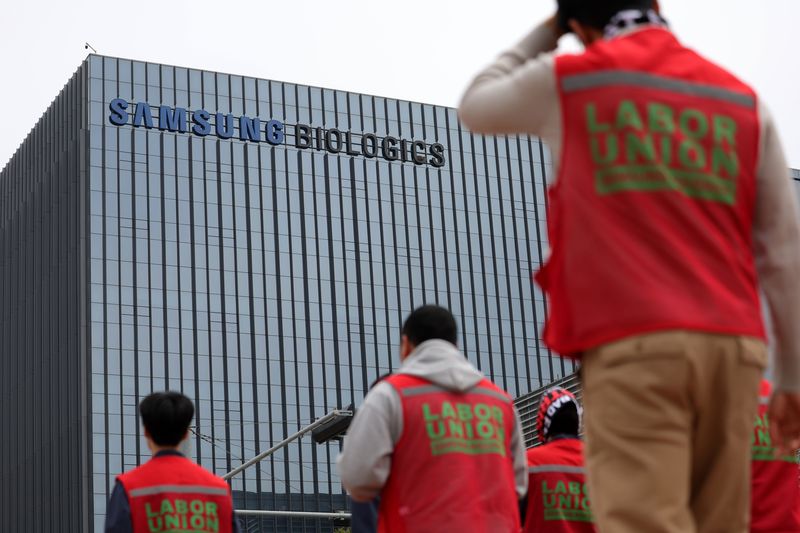
According to the industry on May 1, the general strike will run through the 5th, and about 2,500 of the union’s roughly 4,000 members are believed to be taking part. The strike includes key departments such as production, quality control (QC), quality assurance (QA), contract development organization, and process equipment. However, following a court ruling limiting strike activity, some final-stage processes directly tied to preventing drug spoilage and contamination will be maintained with minimum staffing.
The strike became a reality after labor and management failed to narrow their differences over wage increases and a revision of the personnel system. The union is demanding an average wage increase of 14%, a 30 million won incentive payment per employee, expanded performance-based bonuses, and participation in hiring and promotion decisions. 2% increase and says it cannot accept demands that directly affect management authority.
Even after 13 rounds of talks since late last year and mediation by labor authorities, no agreement was reached. The problem is that the strike’s impact is very different from that of ordinary manufacturing. Biopharmaceutical production is a continuous process in which every stage, from cell thawing to cultivation, purification, and filling, is closely linked.
If a problem occurs at even one stage, the entire batch may have to be discarded. The company estimates potential losses from the strike could reach several hundred billion won. Samsung Biologics also faces added pressure because its business model is centered on CDMO services for global pharmaceutical companies.
If production disruptions or delivery delays occur, the impact could go beyond short-term revenue losses and affect the credibility of long-term contracts and its competitiveness in winning new orders. Industry observers say, "The CDMO business is close to a 'trust industry,' so even a single supply disruption can affect contracts for years to come.
" For that reason, many also view the strike as a strategically risky move, regardless of whether the union’s demands are justified. While it may give the union leverage by causing immediate production disruptions and losses, it could also lead to fewer orders and weaker investment over time, ultimately affecting job stability and the company’s ability to offer compensation.
Meanwhile, the union has described the action as its "first general strike" and left open the possibility of further steps.
[email protected] Jung Sang-hee Reporter