Air defense systems activated in Iran's capital amid uneasy 'indefinite ceasefire'
- Input
- 2026-05-01 08:48:50
- Updated
- 2026-05-01 08:48:50
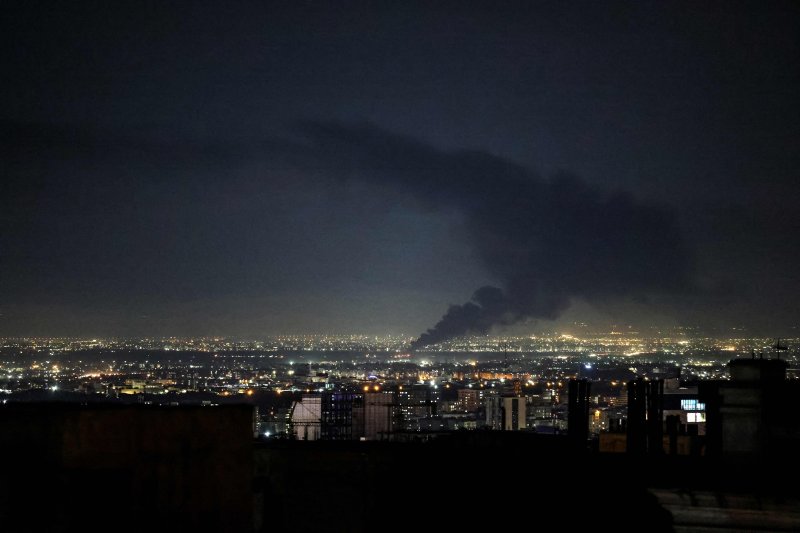
[The Financial News] Loud explosions were heard in Iran's capital on April 30 local time, as the country remained in an indefinite ceasefire with the United States and Israel. Local media reported that air defense systems were activated to intercept drones.
According to Tasnim News Agency, explosions were heard in western, eastern, central, and southern Tehran for about 20 minutes that evening. Local authorities said the noise was caused by blasts linked to the interception of small aircraft and reconnaissance drones. Tasnim said the sounds stopped shortly afterward and that the skies over Tehran returned to normal, but it did not provide further details.
Iran, which has been under attack by the United States and Israel since February 28, entered a two-week ceasefire with the United States on April 8. The two sides held their first ceasefire talks in Pakistan on April 11, but the meeting produced no results. On April 21, the United States announced an indefinite extension of the ceasefire, and Israel said it would respect the move, while also stating that Lebanon was not covered by the truce. By the end of April, Iran had not formally responded to Washington's announcement.
As ceasefire talks with Iran stalled, the United States has blocked Iran-linked vessels from entering or leaving the Strait of Hormuz and nearby Iranian ports since April 13. Israel, which has repeatedly clashed with the pro-Iranian armed group Hezbollah in Lebanon, has taken a negative view of a ceasefire with Iran. At a military event on April 29, Israel Katz, Israel's defense minister, said, "Donald Trump, in coordination with Israeli Prime Minister Benjamin Netanyahu, is leading efforts to complete this operation in a way that ensures Iran will never again threaten the existence of Israel, the United States, and the free world for generations to come." He added, "We support these efforts and are providing the necessary assistance, but we may need to act again soon to ensure the goal is achieved."
Meanwhile, Iranian President Masoud Pezeshkian said in a phone call with Republic of Belarus President Alexander Lukashenko on April 30 that the United States could attack Iran during negotiations. He stressed, "The United States and the Zionists (Israel) have attacked Iran twice in the past during negotiations over denuclearization, and such actions could be repeated." He also said, "Because of this precedent, Iran has complete distrust in the United States."
[email protected] Park Jong-won Reporter