[Editorial] Youth Jobs Policy Should Not Become a Showy, Short-Lived Fix
- Input
- 2026-04-29 16:30:00
- Updated
- 2026-04-29 16:30:00
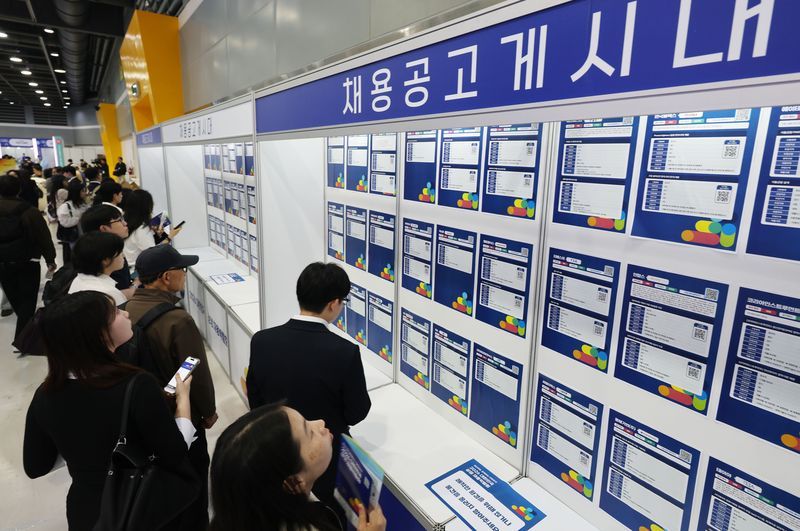
Youth jobs policies under successive administrations have all shared the same basic formula: public spending plus short-term experience, even if the packaging has changed. Governments have also tried to secure jobs through the private sector, but those efforts have had limited success in leading to actual hiring. The easiest route has been to expand public-sector jobs. That, too, has statistically lifted employment rates, but the real impact has been modest.
The policies announced by previous governments were little more than cosmetic measures that temporarily patched up worsening unemployment. They were far from a fundamental solution to youth joblessness. In that sense, this new deal must not repeat the superficial youth employment policies of the past. It should learn from failed policies and focus on substance so that they can lead to real jobs.
To do that, the first step is to give prospective workers meaningful experience and opportunities to build practical skills. In many cases, short-term interns at private companies are given only simple, repetitive tasks because they are seen as of little help to core operations. Public-sector jobs are even more limited. They have often involved routine work far removed from the development of expertise.
This time, the Delinquent Tax Management Unit and the comprehensive farmland survey should help participants gain experience in specialized public work and dispel such concerns. The ultimate goal of any policy is actual employment. Experience and training must therefore lead to jobs in public institutions, the civil service or private companies if the policy is to succeed. Otherwise, it will end as yet another stopgap measure. It will be nothing more than a display policy that wastes public money. Public job programs must no longer create the illusion of temporarily lowering the statistical unemployment rate, as they have in the past.
Programs with poor efficiency may also be shunned by young people, leading to low participation. Today’s younger generation is not simply avoiding job training because they lack money. Even when they do receive training, it is not easy to land the jobs they want, so they often ignore public or private training programs altogether. Young people can tell better than anyone whether a program is merely dressed up for appearances or whether it offers real substance. Such programs may even fail to fill their quotas and end up flopping.
The government should first closely examine the problems in the industrial structure and labor market to understand why youth employment has become so frozen. The current youth employment crisis is not caused simply by an economic slowdown. It is the result of multiple factors, including demographic shifts driven by aging, workforce replacement caused by Artificial Intelligence (AI) and automation, the decline in the number of quality jobs in manufacturing and other sectors, and the growing preference for experienced workers.
In other words, structural factors, rather than young people’s abilities, are worsening employment rates. The government should connect industrial restructuring with employment policy and take a broader view. Once again, it must be said that it should stop rolling out showy policies that pour in public funds merely to improve short-term indicators.