Despite the UAE's OPEC Exit and Output Increase Plan, World Bank Says Oil Prices Will Rise 24% This Year [Major Shift in the Global Oil Market]
- Input
- 2026-04-29 18:31:49
- Updated
- 2026-04-29 18:31:49
On the 28th local time, Brent Crude Oil futures for June delivery on the ICE Futures Exchange closed at $111.26 per barrel, up 2.8% from the previous session. With the increase, Brent Crude Oil rose for a seventh straight trading day. On the New York Mercantile Exchange (NYMEX), West Texas Intermediate crude oil (WTI) futures for June delivery closed at $99.93 per barrel, up 3.7% from the previous session. WTI futures also briefly topped $100 per barrel during the session for the first time since the 13th.
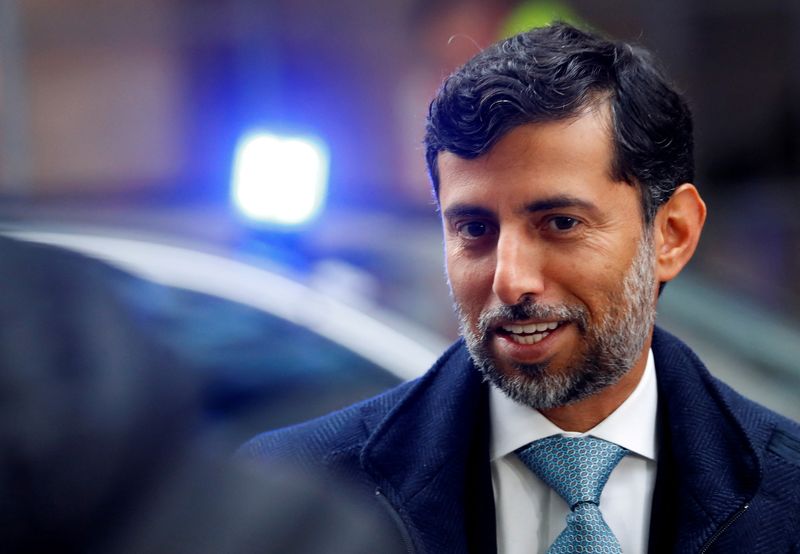
At the meeting, Suhail Mohamed Al Mazrouei, UAE Minister of Energy and Infrastructure, said the UAE plans to produce 5 million barrels per day by next year, but the announcement failed to halt the price rally. The country's daily crude production capacity is about 4.85 million barrels. Before the outbreak of the Iran War in late February, it was producing 3.6 million barrels per day, but output later fell to 2.16 million barrels.
Despite the UAE's production increase plan, global oil prices are expected to keep rising because of shrinking inventories and geopolitical instability. In this regard, the World Bank (WB) projected that oil prices will jump 24% this year due to supply disruptions caused by the Iran War.
In a note released by Goldman Sachs, the bank said daily crude output cuts by Persian Gulf countries total 14.5 million barrels, causing global inventories to fall by 11 million to 12 million barrels this month alone.
In its Commodity Markets Outlook, the WB said the average Brent Crude Oil price this year is expected to rise sharply to $86 per barrel, up from last year's average of $69. That forecast assumes that problems passing through the Strait of Hormuz begin to ease within May and that maritime shipments gradually recover to prewar levels by the end of the year.
The WB warned that a blockade of the Strait of Hormuz caused by the Iran War could trigger the sharpest oil price surge since Russia's invasion of Ukraine in 2022, driving up inflation and stalling economic growth in developing countries. The bank also said that although some commodity prices have retreated after hitting peaks, infrastructure in the Middle East has been damaged, and high energy prices are likely to remain unavoidable for the time being because of the blockade. Its research found that a 1% decline in global crude production due to geopolitical events lifts oil prices by an average of 11.5%, while a 10% increase pushes natural gas and fertilizer prices up by about 7% and 5%, respectively, one year later.
Even if the Iran War ends soon, inflationary pressure on the global economy is expected to continue through next year.
[email protected] Yoon Jae-joon Reporter