"No Less Than Plastic": Alternative Containers Spread to Large Supermarkets
- Input
- 2026-04-28 18:23:42
- Updated
- 2026-04-28 18:23:42
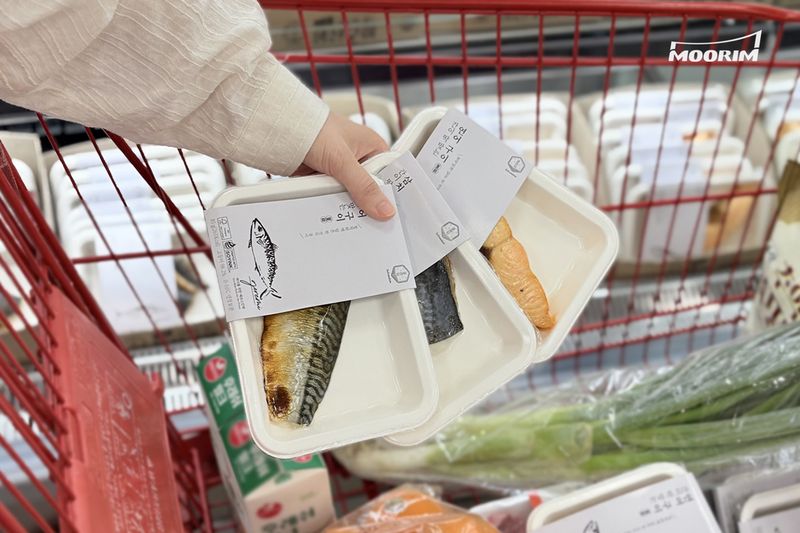
According to Moorim P&P on the 28th, molded pulp is drawing attention for its stable supply capacity. As the country's only pulp producer, Moorim P&P has built the largest domestic facility capable of producing 10 million round plates a month using locally sourced natural virgin pulp. Unlike ordinary dried pulp, which goes through a defibering and redrying process, it uses pulp produced in-house, minimizing fiber damage while securing strength and durability.
Backed by these strengths, its commercial use at major retail sites is expanding quickly. In addition to seafood packaging at Lotte Mart, it is being used for a wide range of food packaging, including meat, fruit, and nut trays at Nonghyup Hanaro Mart.
With a lineup that includes square trays, square bowls, round plates, and drink cup lids in various shapes and sizes, it can be used not only for meat, seafood, and agricultural products, but also for trays at supermarket ready-to-eat counters and as bottom containers for fresh food wrap packaging.
It is also resistant to water and oil, making it suitable for packaging greasy foods. It can be used in microwaves and stored in refrigerators.
It is also competitive on the environmental front. The product received the top-tier biodegradability certification, "OK compost HOME," from TÜV AUSTRIA, a European certification body, and was approved by K-eco for a paper-sorting disposal label, allowing it to be discarded with paper waste after use. Moorim P&P also recently unveiled a product developed jointly with Sunkyung Engineering, a packaging machinery specialist, called the "Pulp Molded Skin Packaging Tray," which cuts plastic use by more than 90% compared with conventional products while maximizing food preservation.
[email protected] Kim Hyun-chul Reporter