Trump Says There Is No Deal Without Nuclear Disarmament... Iran Draws Closer to Russia
- Input
- 2026-04-28 14:32:28
- Updated
- 2026-04-28 14:32:28
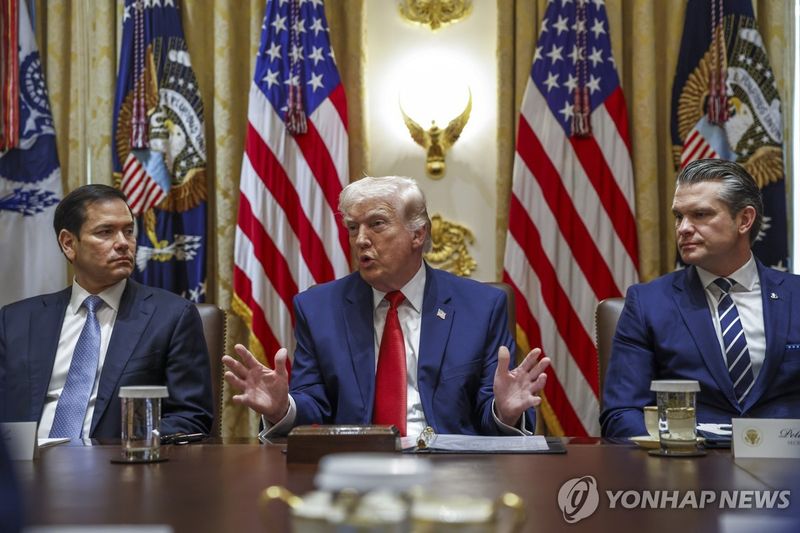
[The Financial News] U.S. President Donald Trump drew a hard line by reaffirming that there would be no sanctions relief without nuclear disarmament. Iran responded to U.S. pressure by promoting an interim deal that would leave the nuclear issue for later, while also showcasing closer strategic ties with Russia. At the UN, the two countries engaged in a fierce diplomatic exchange, calling each other "pirates" and "hostage-takers." As the war enters its second month, back-channel talks are under way, but analysts say the chances of a quick breakthrough remain limited.
Trump's nuclear red line
According to CNN and other outlets on the 27th local time, Trump is reviewing Iran's new proposal with his national security team. Iran is said to have proposed an interim agreement in which the United States would lift its maritime blockade in exchange for reopening the Strait of Hormuz.
The proposal would push core issues, including the nuclear program, into follow-up negotiations. In the short term, it focuses on easing maritime tensions, while leaving the nuclear question for a longer-term negotiating table.
The White House, however, sees the nuclear issue as a prerequisite for any deal. White House press secretary Karoline Leavitt said on the day that "the president's red line is very clear." Trump has consistently maintained that he will not lift the blockade without resolving the nuclear program.
The United States is demanding that Iran suspend its nuclear program for 20 years and remove all of its roughly 440 kilograms of highly enriched uranium. Iran, meanwhile, has proposed a compromise that would allow low-level enrichment for five years after a five-year suspension, with half of its uranium stockpile kept at home and the other half transferred to Russia. Washington did not accept the offer.
Iran later shifted tactics by proposing a new negotiating format that would temporarily set aside the nuclear issue. CNN reported that "the two sides are continuing back-channel contact" and that "the initial phase of any agreement is likely to focus on reopening the Strait of Hormuz. However, the gap between the two sides remains wide, mutual distrust is deep, and the likelihood of a near-term deal is low."
Clashes at the UN, Russia emerges as a mediator
The confrontation has become even sharper on the diplomatic stage. At a UN Security Council meeting, Mike Waltz, the United States Ambassador to the United Nations, described Iran's blockade of the Strait of Hormuz and the laying of mines as a "hostage-taking operation" and proposed forming a multinational coalition called the Maritime Freedom Coalition. He accused Iran of being "a pirate in the strait and an international criminal," urging a coordinated response from the international community.
In response, Amir Saeid Iravani, the Permanent Representative of Iran to the United Nations, said that "the U.S. maritime blockade itself is illegal" and argued that the source of the tension was Washington's seizure of commercial vessels and detention of crews. He said Iran's actions were "an exercise of sovereignty within territorial waters" and accused the United States of "acting like pirates or terrorists."
The nuclear dispute also flared up again at the UN. At the review conference of the Treaty on the Non-Proliferation of Nuclear Weapons (NPT), the election of Iran as vice chair drew strong objections from the United States and Western countries. Washington called it "an insult to the NPT," while the United Kingdom, France and Germany also expressed concern.
Iran immediately hit back. Reza Najafi, Iran's ambassador to the International Atomic Energy Agency (IAEA), dismissed the criticism as political pressure, saying that "the United States, the only country to have used nuclear weapons, is trying to judge compliance."
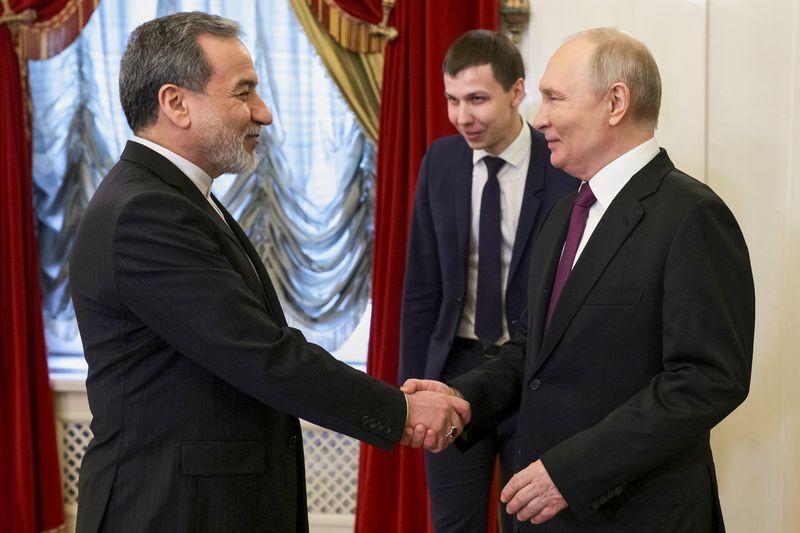
Iran is also deepening diplomatic contacts with Russia. Foreign Minister Abbas Araghchi met with President Vladimir Putin to discuss ways to end the war and described Washington's negotiating approach as "a destabilizing factor." Russia emphasized its role in restoring stability in the Middle East and hinted at the possibility of mediation.
[email protected] Kim Kyung-min Reporter