Domestic marine fuel more expensive than overseas... shipping companies face a double burden of lower cargo volumes and higher fuel costs
- Input
- 2026-04-28 08:01:01
- Updated
- 2026-04-28 08:01:01
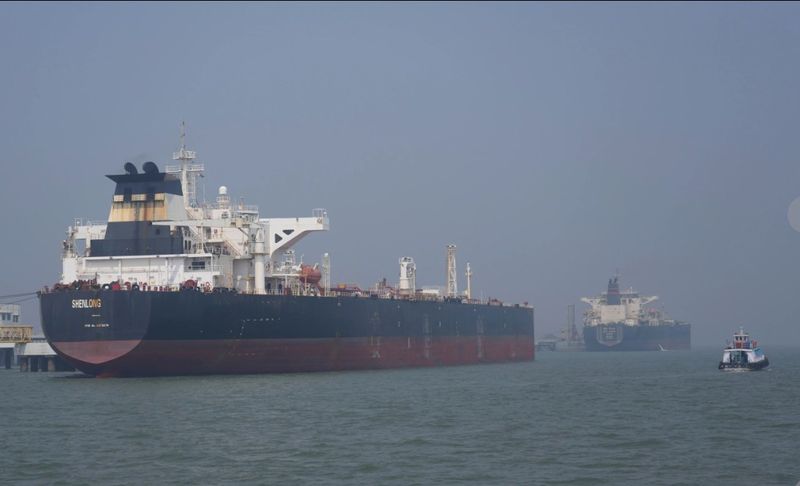
[The Financial News] Following the blockade of the Strait of Hormuz caused by the Middle East war, marine fuel prices in South Korea have been found to be higher than those overseas. As a result, domestic shipping companies are facing a heavier fuel-cost burden.
According to the industry on the 28th, the price of very low sulfur fuel oil (VLSFO) for ships in Rotterdam, a major bunkering hub in the Netherlands, stood at $676 as of the 22nd, while the price at Port of Busan reached $770, about $100 higher.
Industry sources said the price gap is due to the supply structure. Global bunkering hubs such as Singapore and Rotterdam have systems in which large suppliers directly provide wholesale volumes to shipping lines. In South Korea, however, supply is handled through an intermediary distribution structure in which wholesale volumes are received from refiners and then resold at retail, limiting the number of suppliers.
An official from the shipping industry said, "Small and medium-sized shipping companies operating short routes have no choice but to absorb the higher prices."
Marine fuel accounts for 20% of a shipping company’s total operating costs. Large container ships can carry 8,000 to 10,000 tons of fuel when fully loaded. Even a price difference of $100 per ton can create a cost gap of hundreds of millions of won for a single refueling.
If the current price gap continues, concerns are growing that the burden of fuel costs could lead to a loss of transshipment cargo volumes, weakening port competitiveness. In particular, if cargo volumes decline because of the Middle East situation, shipping companies will inevitably face a double burden of lower volumes and higher fuel costs, casting a shadow over second-quarter results.
[email protected] Kim Dong-ho Reporter