Iran unveils new proposal, putting "end of war → Strait of Hormuz → nuclear" in that order
- Input
- 2026-04-28 01:31:21
- Updated
- 2026-04-28 01:31:21
According to Reuters and other outlets on the 27th local time, Pakistani authorities, acting as mediators, said talks were still under way to narrow the gap between the U.S. and Iran. For now, however, no in-person negotiation schedule has been set.
The key issue remains the order of the agenda. Through its new proposal, Iran has suggested first discussing an end to the war and resolving the issue of passage through the Strait of Hormuz, while leaving the nuclear program question for later. The U.S., by contrast, is sticking to its position that the nuclear issue must be included from the start. The gap over the sequence of negotiations remains wide.
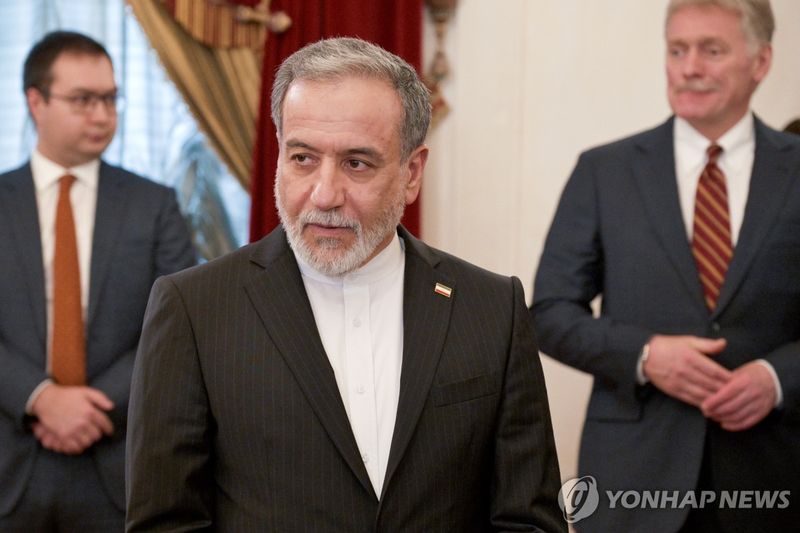
Iran's diplomatic activity is also picking up speed. Foreign Minister Abbas Araghchi traveled back and forth to Pakistan twice over the weekend to coordinate mediation talks. He then visited Oman before heading to Russia on the 27th for talks with President Vladimir Putin. The move is seen as an effort to secure diplomatic backing from Moscow.
President Donald Trump has not completely closed the door on negotiations. In an interview with Fox News, he said, "If they want to negotiate, they can come to us," adding, "Iran knows what needs to be in a deal." He then reaffirmed his position, saying, "They should not have nuclear weapons."
Araghchi, meanwhile, argued that the U.S. had asked for talks because it had failed to achieve its war objectives, stressing that Iran also holds leverage in the negotiations.
Iran's proposal takes a phased approach. First, it calls for a complete halt to U.S. and Israeli military action and for guarantees against renewed attacks. It then envisions lifting the U.S. maritime blockade and resolving the issue of passage through the Strait of Hormuz. Only after that would Iran discuss the nuclear program.
Iran is also maintaining its demand that the U.S. partially recognize its right to enrich uranium for peaceful purposes. That is widely seen as a condition Washington would find difficult to accept.
As the talks remain deadlocked, global oil prices rose again. Brent Crude Oil climbed 3.5% on the day to $108.8 per barrel. Analysts say concerns over a prolonged blockade of the Strait of Hormuz are once again being reflected in prices.
The possibility of a wider front is another variable. Fighting is intensifying again in Lebanon. Iran has said it will not take part in further negotiations covering the broader Middle East unless the ceasefire in Lebanon holds.
In the end, the U.S.-Iran talks appear to have returned to a tug-of-war between two different starting points: "nuclear issue first" and "end the war first." The ceasefire is holding, but many obstacles remain before any final settlement can be reached.
[email protected] Reporter Lee Byung-chul Reporter