Is the rally over? New York stocks are pinning their fate on Big Tech earnings and the FOMC
- Input
- 2026-04-27 15:38:42
- Updated
- 2026-04-27 15:38:42
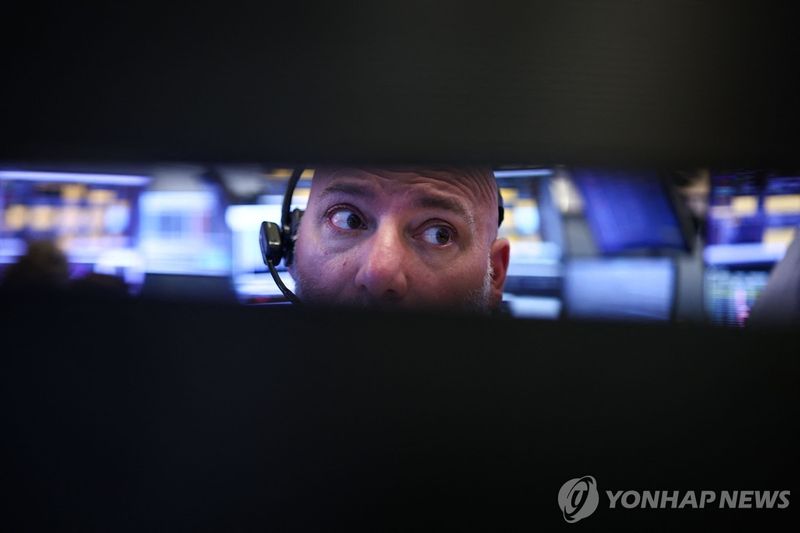
New York stocks have rebounded despite concerns that the conflict in the Middle East could hit the economy, extending their run of record highs. Since the end of March, the S&P 500 Index has risen about 13%, while the NASDAQ Composite Index, led by technology shares, has surged more than 19%.
This week is expected to be a turning point for whether the rally can continue. Analysts say volatility is likely to rise as variables such as corporate earnings, monetary policy, macroeconomic data and geopolitical risks all come into play at once. Anthony Saglimbene, a strategist at Ameriprise Financial, said, "Given the sharp gains over a short period, this week is crucial for solidifying the rally."
Can they clear the bar? The brutal standard for Big Tech earnings
The earnings season is now reaching its peak. This week, Microsoft Corporation, Alphabet Inc., Amazon and Meta Platforms Inc. will report results on the 29th, and Apple Inc. will release earnings the following day, the 30th. With five of the so-called Magnificent Seven mega-cap tech stocks reporting at the same time, market attention is expected to focus on investment in artificial intelligence infrastructure and plans to expand data centers.So far, the earnings season has been progressing smoothly. According to London Stock Exchange Group (LSEG), more than 80% of S&P 500 Index companies have reported results that beat market expectations, and overall earnings growth is estimated at 16%.
However, with share prices already having risen sharply, expectations for earnings are now much higher. Saglimbene said, "For stocks to rise further, companies need to deliver results that clearly exceed expectations."
Attention turns to policy signals amid likely rate hold... eyes on Powell's final message
Monetary policy is another key variable. The Fed is set to hold a Federal Open Market Committee (FOMC) meeting this week and decide the benchmark interest rate on the 29th, and markets widely expect rates to remain unchanged. Investors are watching closely for policymakers' message on the economic impact of the war and the future path of interest rates.This meeting could also be Jerome Hayden Powell's last as chair. Powell's term ends on May 15, and confirmation proceedings for his nominated successor, Kevin Warsh, are also moving forward. The recent decision by the Ministry of Justice (MOJ) to end its investigation related to Powell has eased some of the uncertainty surrounding the appointment.
Interest rate outlooks are also changing rapidly. Before the war, markets had been pricing in two rate cuts this year, but the surge in energy prices has led investors to largely rule out any cuts in 2024.
Some are also focusing on the relative strength of New York stocks. Marvin Lo, a strategist at State Street Corporation, said, "As other major central banks consider raising rates, the Fed's hold stance could be positive for U.S. assets."
In the end, the war remains the key issue... economic fallout to show up in GDP and PCE data
This week will also bring first-quarter Gross Domestic Product (GDP) data and the Personal Consumption Expenditures Price Index (PCE Price Index), the Fed's preferred inflation gauge. The two indicators are expected to provide important clues about the actual economic impact of the Middle East conflict.In the market, geopolitical risk is still seen as the biggest variable. Sid Bijdia, a strategist at TD Wealth, said, "The war remains the market's key variable," adding that "the longer the conflict drags on, the greater the risk to the real economy, and that will eventually lead to market volatility."
[email protected] Hong Chaewan Reporter