Japan Accelerates Toward a 'Country Able to Wage War' as 8 in 10 Citizens Say Pacifism Is Crumbling
- Input
- 2026-04-27 11:48:56
- Updated
- 2026-04-27 11:48:56
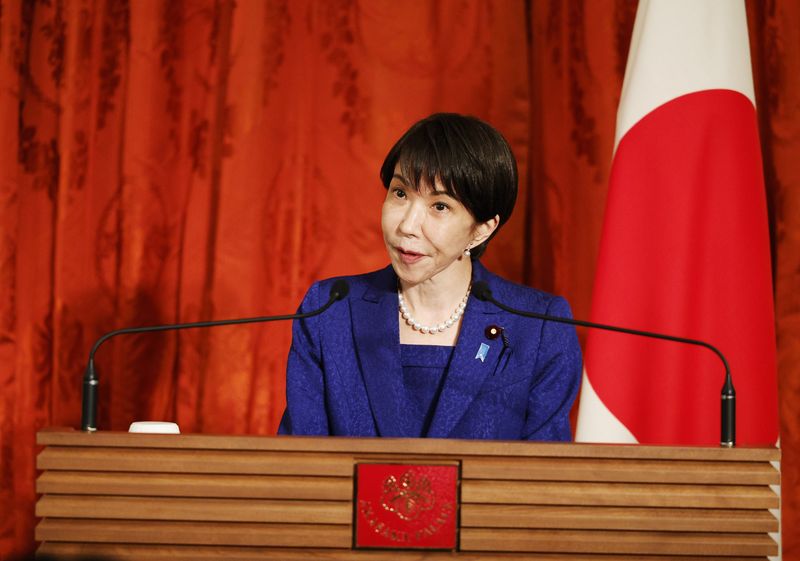
Japan's Constitution, in Article 9, permanently renounces war and the use of force, and rejects the maintenance of land, sea, and air forces as well as the right of belligerency. For that reason, it is often called the "Peace Constitution.
" In response, the Takaichi Cabinet is pushing for constitutional revision centered on explicitly writing in the JSDF, which functions as a de facto military but is not mentioned in the constitution. It has also recently revised the Three Principles on Transfer of Defense Equipment and Technology to allow exports of lethal weapons in principle.
In the Asahi survey, the share saying that "the pacifist foundation of Japan's Constitution is being shaken" was also high among supporters of the Takaichi Cabinet (81%) and supporters of the LDP (80%). Japanese voters also appeared keenly aware of changes surrounding the Peace Constitution, while reacting sensitively to China's military threat.
A full 84% said they feel threatened by China's military power, while only 13% said they do not. Xi Jinping, President of China (left), and Sanae Takaichi, Prime Minister of Japan.
News1 Meanwhile, Nihon Keizai Shimbun, or The Nikkei, reported that a telephone survey of 955 voters found the Takaichi Cabinet's approval rating at 69%, down 3 percentage points from the previous month's poll. The share saying they do not support the Cabinet rose 3 points to 26%.

Those in favor of dispatching forces before the end of the war accounted for 12%, while 36% supported dispatch after the war ends. Combined, the pro-dispatch camp stood at 48%, narrowly ahead of the 45% who said the forces should not be sent.
In a related survey conducted by the newspaper last month after the U. S.
-Japan summit, 74% said the forces should not be sent, far outnumbering the 18% who said they should.
[email protected] Hong Chaewan Reporter