[Editorial] An Exit Is Needed Before the Side Effects of the Maximum Oil Price System Grow Larger
- Input
- 2026-04-26 18:10:33
- Updated
- 2026-04-26 18:10:33
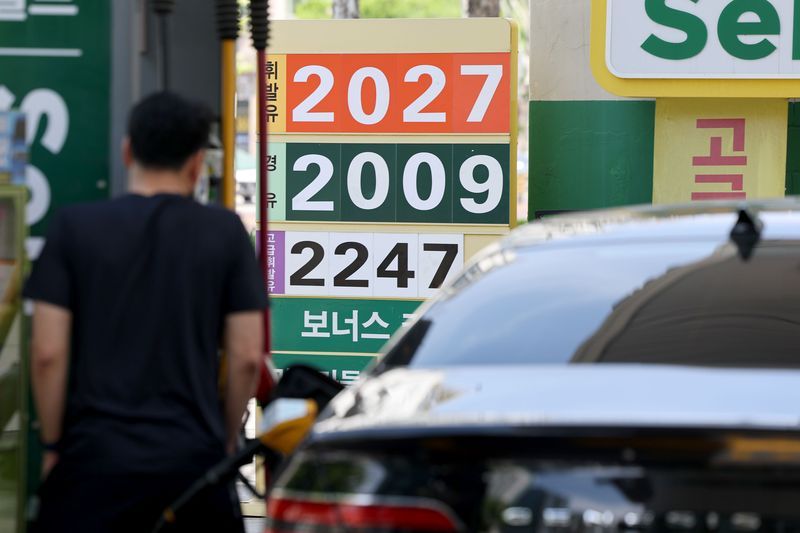
According to the government, the maximum oil price system has had some success in restraining prices. Without the measure, gasoline at gas stations would likely be around 2,200 won per liter, diesel around 2,800 won, and kerosene around 2,500 won. Actual prices, however, are lower than that. The national average diesel price over the weekend was around 2,000 won. Consumers were buying diesel at roughly 800 won less per liter.
The price cap was an emergency measure designed to ease the shock of high oil prices from the Middle East. When fuel prices rise, low-income households and small self-employed business owners are hit hardest, and higher transportation costs affect overall consumer prices. In March, when the first maximum oil price system was introduced, the Korea Development Institute (KDI) estimated that it had reduced the consumer price inflation rate by 0.4 to 0.8 percentage points. The problem is the side effects. There is growing concern that an exit must be found before market distortions become even greater.
The situation in the Middle East remains highly unpredictable. Oil prices have been swinging sharply day after day. When the maximum oil price system was first introduced in mid-March, Brent Crude Oil started at $100 per barrel and moved above the $110 level in early April. At times when hopes for a ceasefire emerged, prices even fell by more than 10% in a single day. Now, as concerns over strait security and supply disruptions deepen, prices are again threatening the $110 mark. Consumers can adjust their consumption only when prices reflect market conditions.
The fact that oil prices have surged without a corresponding sharp decline in consumption suggests that the pricing policy has been detached from the market. According to KNOC, domestic daily consumption of gasoline, diesel, and kerosene, which are subject to the maximum oil price system, reaches 1 million to 1.2 million barrels. Because the government adjusted the ceiling, the cumulative amount of suppressed price increases since the second round has reached 125 won for gasoline, 628 won for diesel, and 573 won for kerosene. When the system ends, this gap could be passed on to consumers all at once.
There are similar examples overseas. Pakistan froze fuel prices from February to May 2022, and gasoline prices jumped by 66% immediately after the freeze was lifted. Hungary also suffered severe supply and demand distortions, as fuel sales surged by 50% during its 2022 price cap period. For the government, which has promised to compensate refiners for losses, the fiscal burden will be enormous. Even after accounting for the minimum price gap for refiners, KNOC projected that the monthly loss compensation burden on the government could reach the trillion-won range.
The maximum oil price system, introduced in an extraordinary period, should remain only a short-term remedy. Measures to soften the shock from ending the system, as well as targeted support for vulnerable groups and livelihood drivers, should be reviewed separately. The policy focus must shift from price controls to restoring the market.