Block Iranian Crude Oil: U.S. Hits Chinese Shipping and Refining Networks at the Same Time
- Input
- 2026-04-25 04:49:46
- Updated
- 2026-04-25 04:49:46
On the 24th local time, The Associated Press (AP) reported that the Trump administration would impose economic sanctions on a major refinery in China and about 40 shipping companies and tankers. The companies are accused of being involved in transporting and trading Iranian crude oil.
The move marks a full-scale rollout of secondary sanctions, which also target third-country companies that do business with Iran. It reflects Washington's intent to block oil exports, Iran's key source of foreign currency. Analysts say Trump's hard-line policy toward Iran is now being turned into concrete policy tools.
In particular, the United States has also been pursuing a physical blockade of the Strait of Hormuz this month, a critical passage for global oil shipments. The strategy is to cut off Iran's export routes structurally by deploying maritime control and financial sanctions at the same time.
The sanctions also include Hengli Petrochemical in Dalian, China. The facility has a daily crude processing capacity of about 400,000 barrels and is one of the largest private refineries in China. The U.S. Department of the Treasury said Hengli has imported Iranian crude oil since 2023, and that the trade funneled hundreds of millions of dollars into Iran's military.
China is the largest importer of Iranian crude oil and has absorbed 80% to 90% of Iran's total exports before the war. However, the trade is believed to have been conducted through shadow fleets and origin laundering, allowing it to evade sanctions. In the process, small refiners known as teapot refineries have served as major buyers.
The United States is also expanding the scope of sanctions into the financial sector, increasing the pressure. Treasury Secretary Scott Bessent said, "We will continue to shrink the network of ships, brokers and buyers that Iran relies on to move oil into the global market." Washington has also warned financial institutions in China, Hong Kong, the UAE and Oman that they could face secondary sanctions if they deal with Iran.
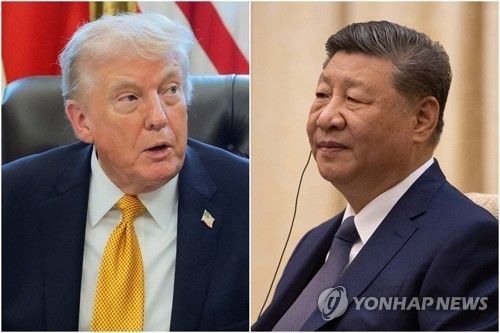
The move is also expected to become a new flashpoint in U.S.-China tensions, as it comes ahead of a summit between Trump and Xi Jinping. China has said the sanctions "undermine the international trade order," but major financial institutions and companies have effectively complied because of their dependence on the dollar-based payment system.
[email protected] Reporter Lee Byung-chul Reporter