Iran Collects First Transit Fee for the Strait of Hormuz, Paid in Cash
- Input
- 2026-04-24 19:42:11
- Updated
- 2026-04-24 19:42:11
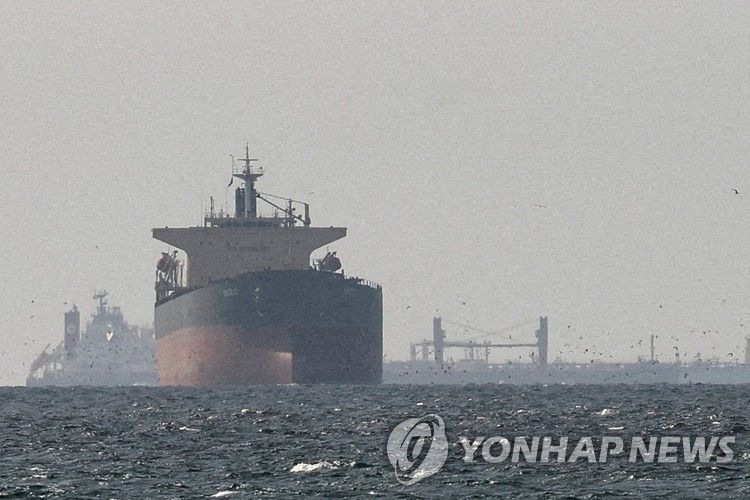
[Financial News] The Islamic Republic of Iran (IRI) has begun collecting in cash the transit fees it imposes in exchange for allowing passage through the Strait of Hormuz. The policy, which had sparked debate over payment methods, is now moving from regulation to implementation.
According to local media outlets including Press TV, the Iranian military made the first deposit on the 23rd local time of transit fees received in exchange for ship passage permits. The funds were deposited into a single account at the Ministry of Economic Affairs and Finance (Iran).
The Central Bank of Iran said, "The transit fee was deposited in cash," adding that "reports claiming it would be received in cryptocurrency are not true." However, it did not disclose which country's currency was used.
Earlier, Western media including The Wall Street Journal (WSJ) reported that Iran had been collecting the fees in Chinese yuan or Bitcoin, but Iranian authorities have now formally denied those claims.
The move also has a legal basis. On the 21st, the National Security and Foreign Affairs Committee of the Islamic Consultative Assembly of Iran (Majlis) voted to submit a bill titled "Establishing Iran's Sovereignty over the Strait of Hormuz" to the plenary session. The bill requires ships passing through the strait to obtain permission from Iranian authorities and stipulates that transit fees be paid in the Iranian rial.
The size of the fee has not been officially disclosed, but local reports say it is charged at different rates depending on cargo type, volume and navigation risk. In particular, estimates suggest that tankers could be charged around $1 per barrel, while Very Large Crude Carriers (VLCCs) could face fees of about $20 million.
As Iran begins actually collecting the fees and depositing them into a central bank account, the Strait of Hormuz is evolving beyond a simple military control zone into a monetized maritime gateway. If passage costs become structurally embedded in one of the world's key oil shipping lanes, they could directly affect global shipping costs and energy prices.
[email protected] Kim Kyung-min Reporter