Iran Exempts Russia and Others from Strait of Hormuz Transit Fees
- Input
- 2026-04-24 18:09:48
- Updated
- 2026-04-24 18:09:48
Kazem Jalali, Iran's ambassador to Russia, said in an interview with Russia's state-run RIA Novosti on the 23rd (local time) that "we are currently applying transit fee exemptions to some countries" and that "the situation is fluid, but we will try to maintain the exemptions for friendly countries."
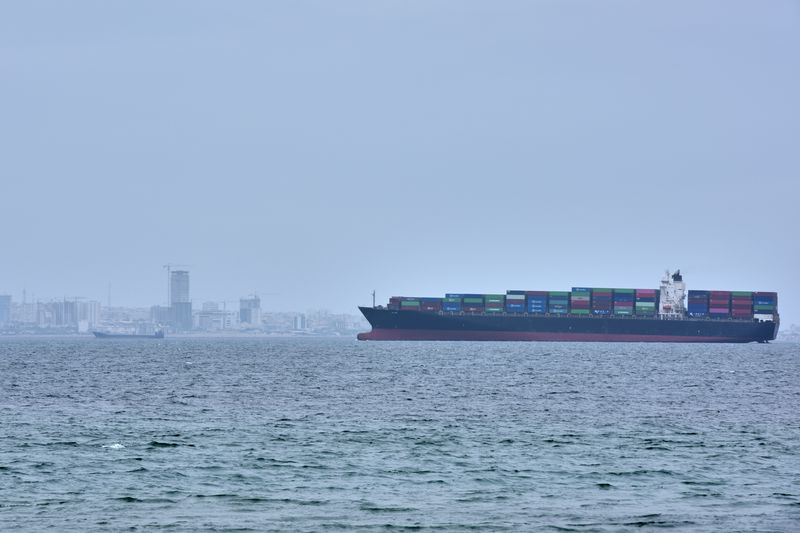
Earlier, Iran blocked the Strait of Hormuz on February 28, immediately after attacks by the United States and Israel. The strait is a strategic chokepoint through which about 20% of the world's seaborne crude oil passes. Iran later shifted its policy from a total shutdown to allowing passage for only some ships. Instead, it introduced a system that monetizes its control over the sea lane by charging transit fees under the name of "security services."
The fees vary depending on cargo type and size. For very large crude carriers, they are reportedly as high as $2 million, or about 3 billion won. Analysts say the amount reflects not just a simple navigation cost, but a geopolitical premium.
A related bill recently submitted to the Islamic Consultative Assembly of Iran is designed to institutionalize these measures. Under the bill, ships seeking to pass through the Strait of Hormuz must obtain prior approval from the authorities, and transit fees must be paid in Iranian rial. The move is seen as an attempt to both evade financial sanctions and tighten foreign-exchange control by limiting settlement currency to the domestic currency.
The actual flow of funds is also entering the formal stage. Hamidreza Hajibabaei, deputy speaker of the Islamic Consultative Assembly of Iran, said on the day that "the Strait of Hormuz transit fee was transferred to the government account of the Central Bank of Iran for the first time." This suggests that control of the strait is beginning to function as a source of state revenue.
Markets view Iran's latest move as a selective opening strategy. It lowers costs for certain friendly countries to strengthen cooperation in energy and logistics, while using higher costs and risks to pressure unfriendly states. In particular, the exemption for countries such as Russia is being read as a response to the Western sanctions regime.
[email protected] Kim Kyung-min Reporter