IEA chief says the world faces its biggest energy crisis yet, and reopening the Strait of Hormuz is the only way forward
- Input
- 2026-04-24 15:25:31
- Updated
- 2026-04-24 15:25:31
[Financial News] Even though the United States and Iran are under a ceasefire, the global energy crisis shows no sign of easing.
Fatih Birol, secretary-general of the International Energy Agency (IEA), said in an interview with CNBC on the 23rd local time that the current situation is an unprecedented turning point for the global economy. He warned, "We are facing the biggest threat to energy security in history."
Birol said the current drop in daily crude oil supply, at 13 million barrels, is larger than the energy disruptions seen during the 1973 and 1979 oil crises and at the start of the war in Ukraine in 2022.
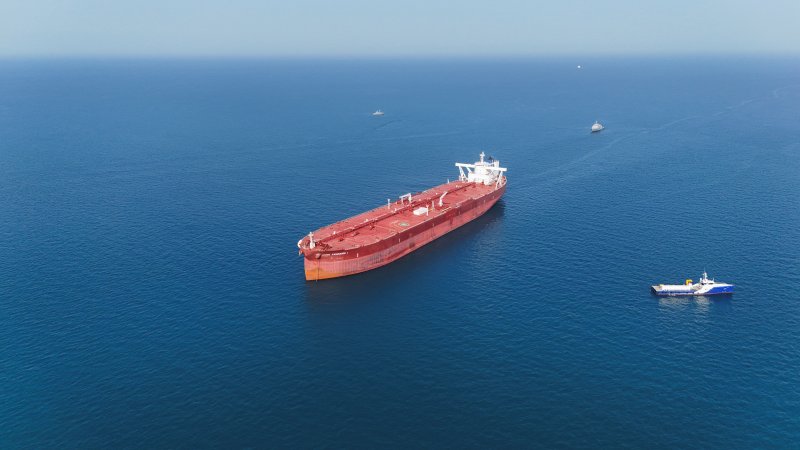
According to S&P Global Market Intelligence, only three tankers passed through the Strait of Hormuz on the 22nd.
According to the United Nations (UN), an average of 129 vessels passed through the strait each day before the outbreak of the war with Iran.
Brent crude oil, which had fallen below $100 per barrel, rose again to $103 on the day as tensions escalated.
Birol said in a podcast earlier this month that the IEA could consider releasing additional strategic oil reserves.
He also urged governments to launch campaigns encouraging people to use public transportation in order to reduce the costs caused by the energy shock.
Birol added that the only way to resolve the energy crisis is to reopen the Strait of Hormuz.
[email protected] Yoon Jae-jun Reporter