Iran Already Under Hardline Control... Reformist Ghalibaf Faces Possible Resignation
- Input
- 2026-04-24 10:02:45
- Updated
- 2026-04-24 10:02:45
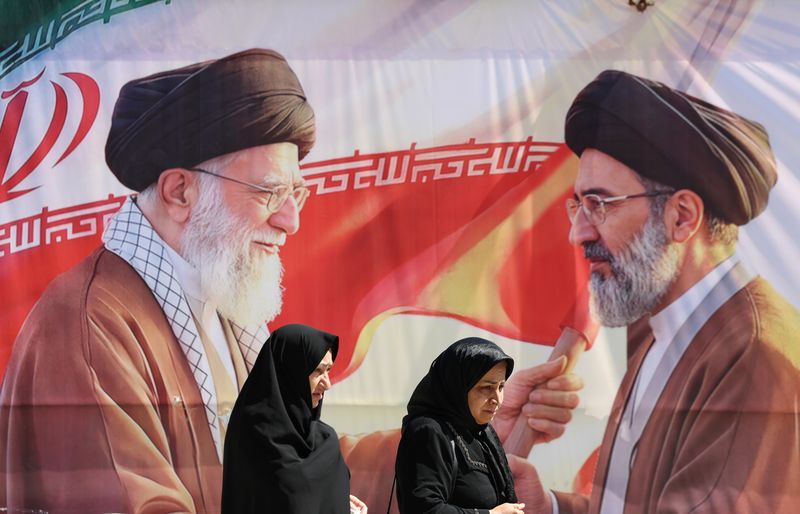
[Financial News] Foreign media reports continue to say that Iran, which has been stuck in ceasefire talks with the USA, has already fallen into the hands of hardliners. Some outlets claimed that Iran's chief negotiator resigned under pressure from hardliners, while the supreme leader, who has remained out of public view since the war began, called for unity.
Iran's hardliners seize control of government decision-making
The New York Times (NYT) reported on the 23rd local time, citing Iranian officials, that hardline military generals are now handling key decision-making in the Iranian government. The paper said that the late Supreme Leader Ali Hosseini Khamenei, who was killed in a US-Israel attack in February, wielded absolute power, but his successor, Mojtaba Khamenei, does not. Abdolreza Davari, who once served as media adviser to former Iranian President Mahmoud Ahmadinejad and as vice president of the state-run IRNA, told NYT, "Mojtaba is running the country like a board chairman." He added that Mojtaba "relies heavily on the advice and guidance of board members, and they make all decisions collectively," saying that "the generals are the board members."In this regard, Sanam Vakil, head of the Middle East and North Africa program at Chatham House, the Royal Institute of International Affairs, said, "Mojtaba has not yet secured full command or control." She added, "Formally, he signs off on decisions and is part of the decision-making structure. But for now, he is merely receiving decisions that have already been set in stone." Ali Vaez, Iran director at the International Crisis Group, said, "Mojtaba may be a nominal leader, but he is not a supreme leader like his father. He is subordinate to the Islamic Revolutionary Guard Corps (IRGC), which owes its position and the regime's survival to him."
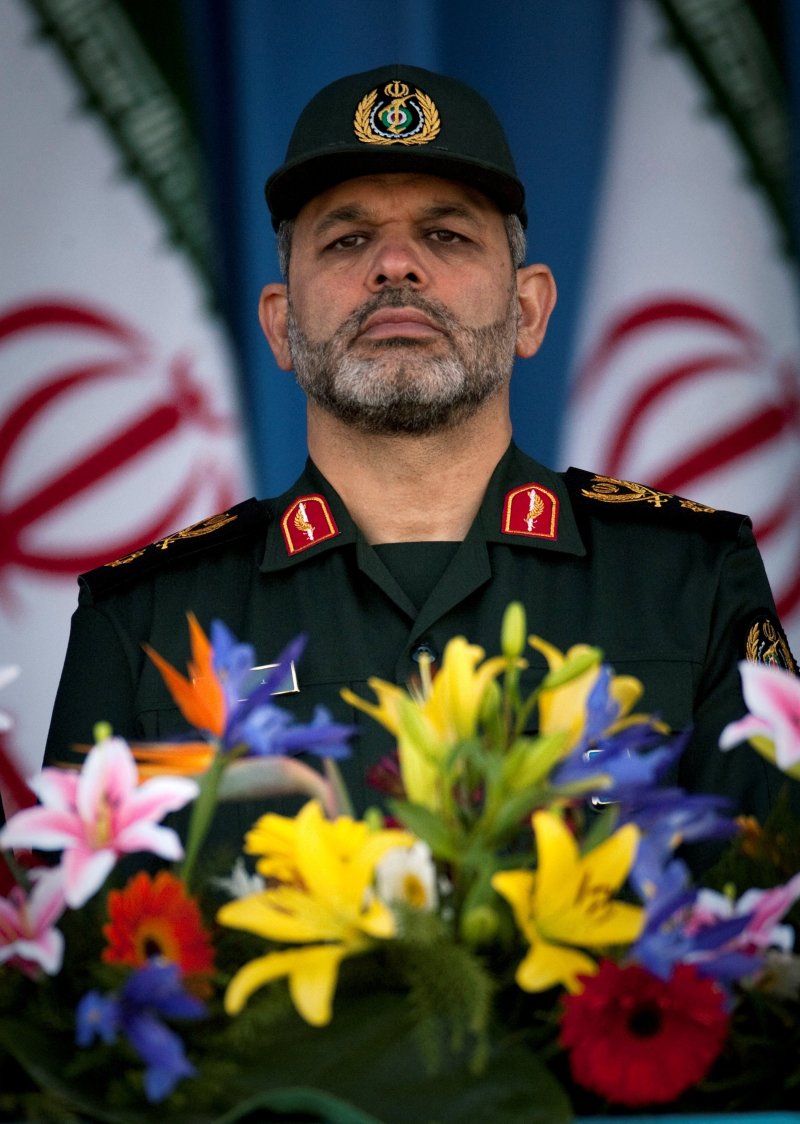
The IRGC, created alongside the 1979 Iranian Revolution, is a fourth military force organized separately from Iran's army, navy, and air force, and it has dominated the country's politics and economy. Brig. Gen. Ahmad Vahidi, who currently serves as commander-in-chief of the IRGC, and Mohammad Bagher Zolghadr, a former IRGC member who was recently appointed chairman of Iran's Supreme National Security Council, are known as hardliners who advocate war with the USA.
The Institute for War Studies (ISW), a US think tank, said in a report on the 20th that Mohammad Bagher Ghalibaf, speaker of Iran's parliament and a supporter of talks with the USA, is clashing with Vahidi, who opposes them, and assessed that power in Iran has recently shifted toward the IRGC. On the 19th, Iran International, an anti-government Iranian media outlet based in the United Kingdom, reported that Iran's religious and military hardliners were attacking Ghalibaf on the Iranian social media platform Eitaa.
Rumors swirl that the reformist camp is losing ground as the supreme leader calls for "unity"
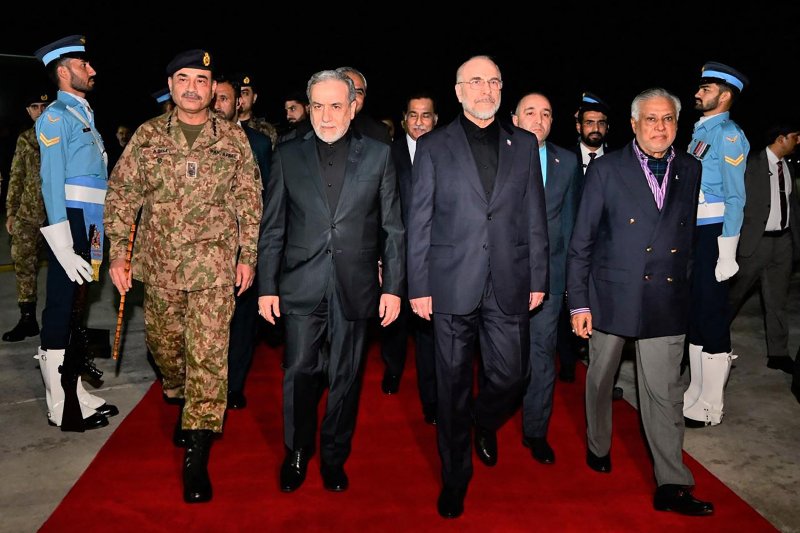
Ghalibaf led Iran's delegation in the first round of ceasefire talks with the USA on the 11th. In a report on the 23rd, Israel's Channel 12 claimed that Ghalibaf had resigned as head of the ceasefire negotiating team. The outlet said IRGC generals, including Vahidi, were interfering in the talks and that Ghalibaf stepped down under their pressure. Without identifying its sources, Channel 12 stressed, "There is not a single person in Iran right now who has the authority or the ability to make decisions."Four senior Iranian officials told NYT that Mojtaba was seriously wounded in US-Israel attacks but remains mentally clear and active. He has undergone three surgeries on one leg and is waiting for a prosthetic limb. One hand has also been operated on, and he is gradually recovering function. The officials said Mojtaba suffered severe burns to his face and lips, making it difficult for him to speak, and that he will likely need plastic surgery eventually.
Mojtaba, who has not appeared in public since being selected as supreme leader last month, sent a message to the public through IRNA on the 23rd. In the statement, he said, "The remarkable unity formed among the Iranian people has created cracks within the enemy's ranks." He added, "Iran's cohesion has become even stronger and as solid as steel," and stressed that "through this process, the enemy will ultimately face humiliation and disgrace." He also said, "The enemy's media operation has a clear intent to undermine internal unity and shake national security by directly attacking the public's psyche," adding, "We must never allow such malicious intentions to be realized through carelessness and complacency."
On the same day, Iranian President Masoud Pezeshkian also wrote on social media platform X, "There are no hardliners or moderates in Iran. We are all simply Iranians and revolutionaries."
[email protected] Park Jong-won Reporter