As the Iran war rages, U.S. Navy Secretary abruptly resigns [Uneasy U.S.-Iran ceasefire]
- Input
- 2026-04-23 18:22:24
- Updated
- 2026-04-23 18:22:24
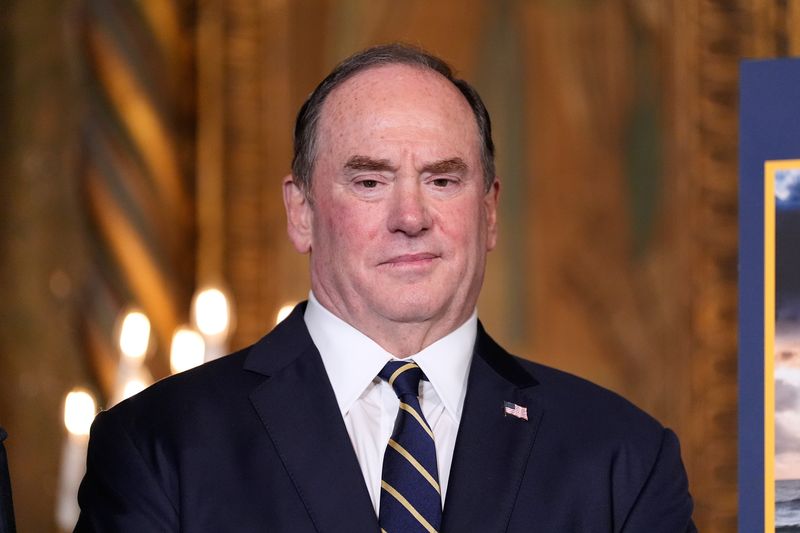
] The top U.S. Navy official has been abruptly replaced. As the war with the Islamic Republic of Iran has entered an unstable ceasefire phase, the sudden resignation of a key Pentagon figure is fueling concerns about the stability of the military command structure.
On the 22nd local time, The New York Times (NYT) and other outlets reported that U.S. Secretary of the Navy John Phelan had stepped down. The United States Department of Defense (DoD) announced only that he had resigned immediately, without offering any explanation.
This is the first cabinet-level resignation since the start of Donald John Trump’s second administration. It is also being seen as part of a broader reshuffle of senior defense leadership. The timing is especially sensitive. The U.S. Navy is currently leading the blockade of Iranian ports and carrying out operations targeting Iran-linked vessels around the world.
Phelan’s resignation comes amid a recent wave of personnel changes at the Pentagon. Minister of National Defense Pete Hegseth dismissed Army Chief of Staff Randy George just a few weeks ago, and since taking office he has replaced several senior military officials, including generals and admirals.
The DoD said Hung Cao will serve as acting Secretary of the Navy.
Inside and outside the military, there are concerns that continued leadership changes during wartime could strain operational continuity and strategic consistency.
There were few signs in advance that this resignation was coming. Phelan attended the Navy's annual conference in Washington, D.C. until the day before the announcement, where he delivered remarks to service members and industry officials and briefed reporters on policy direction. However, NYT reported that over the past several months, Phelan had clashed with Hegseth and other senior Pentagon officials, including Deputy Secretary Stephen Feinberg, which damaged his leadership. His appointment had been controversial from the start, as he took the post without military service experience or a background in the Navy organization.