U.S. OPCON transfer in 2029 comes into view... Defense Ministry signals deadline could be set at October SCM
- Input
- 2026-04-23 12:25:59
- Updated
- 2026-04-23 12:25:59
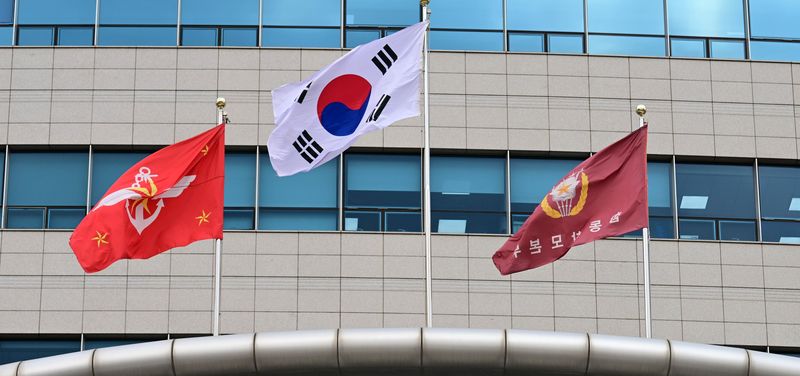
The OPCON transfer would mark a fundamental change in South Korea's security posture. The ministry is reportedly aiming to finalize the transfer deadline at the October SCM and complete a key national task of transferring control within the current term. Based on the ministry's position and the U.S. roadmap, this article examines where the OPCON debate stands now and what challenges remain.
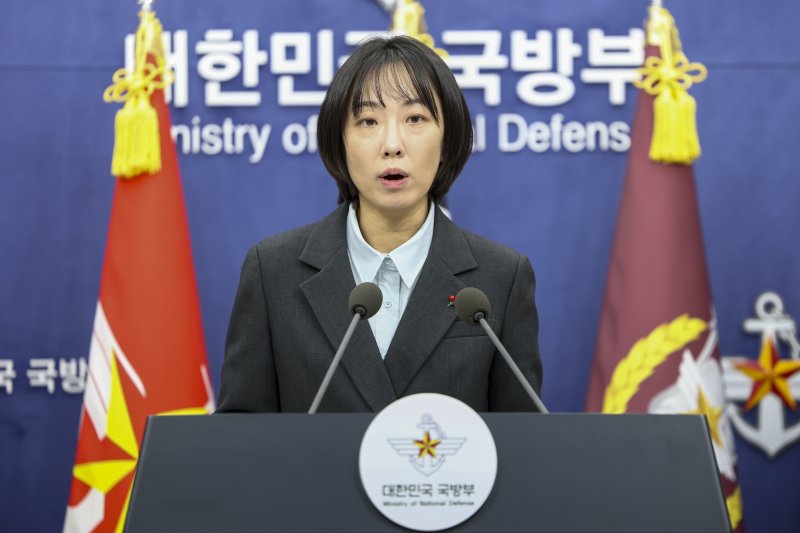
Defense Ministry spokesperson Jeong Bit-na said at a regular briefing on the 23rd that the ministry plans to decide on the timing of the OPCON transfer at the 58th SCM, scheduled for October, and recommend it accordingly. She also indicated that close consultations between the South Korean and U.S. defense authorities will follow. The move is seen as reflecting the Lee Jae-myung administration's determination to make OPCON transfer a priority and build a combined defense system led by South Korean forces as soon as possible.
At the center of the current debate is how quickly the practical procedures can be completed while maintaining the principle of a conditions-based transfer. South Korea's military plans to swiftly complete the Full Operational Capability (FOC) assessment, the second of the three verification stages required for OPCON transfer. A ministry official said, "We are comprehensively reviewing the status of our core military capabilities and the stability of the ROK-US combined defense system," adding, "The October SCM will be a turning point that puts a period on the progress made so far."
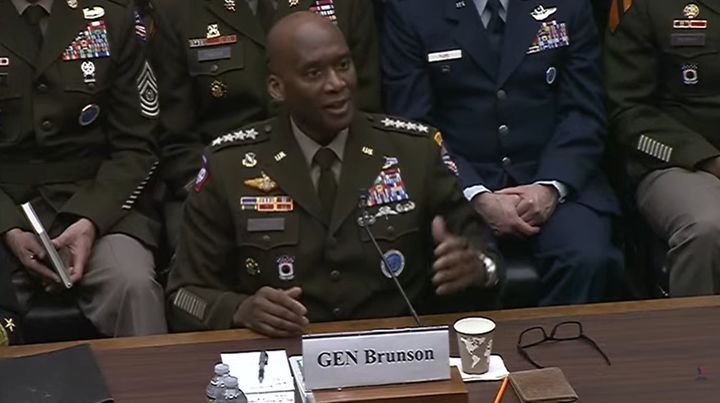
Behind the government's push for an early completion lies confidence that South Korea's military has built sufficient capability to lead combined operations amid escalating North Korean nuclear and missile threats. The plan is to demonstrate the South Korean military's ability to conduct operations on its own initiative, establish security sovereignty, and elevate the ROK-US Alliance into a more complementary relationship. As a result, security experts at home and abroad are closely watching the "final transfer year" that the two countries may agree on at the upcoming October SCM.■ Roadmap for OPCON transfer timing and its implications for ROK-US securityAlong with the Defense Ministry's push to set a timeline, the U.S. side has also presented a concrete schedule. General Xavier T. Brunson, commander of U.S. Forces Korea, said during a House Armed Services Committee hearing on the 21st local time that he had submitted a roadmap aimed at meeting the conditions for OPCON transfer by the first quarter of 2029. This suggests that the shared goal of the two allies is being discussed on a practical track toward completion within the 2020s. Still, because the 2029 date mentioned by Brunson is a target rather than a fixed deadline, careful coordination will be needed going forward.
At the same time, there are broader views on how the command structure should be designed after the OPCON transfer. Reports from the Stockholm International Peace Research Institute (SIPRI) and RAND Corporation, both leading military research institutions, analyze the nature of modern warfare and conclude that "even the world's strongest power, the United States, is not an exception to the rule that no country can fully defend itself with its own forces alone." This supports the argument that the future of defense is not simply about changing who holds command authority, but about how efficiently allies can integrate their forces and operate a combined defense system.
What stands out in particular is that the Mutual Defense Treaty between the United States and the Republic of Korea, which forms the foundation of the ROK-US Alliance, is a powerful and rare form of mutual protection that differs from the base-provision alliances or one-sided security relationships seen elsewhere.
Concerns about the strength of that bond have recently been raised amid changes in the security environment. Even so, the essence of the OPCON debate lies in finding the point that best optimizes this unprecedented combined defense system, which has helped preserve peace on the Korean Peninsula for more than 70 years.
The OPCON transfer debate can be seen as a complex strategy that strengthens the South Korean military's leading role while also carrying forward the value of the Mutual Defense Treaty between the United States and the Republic of Korea in a modern form. Whatever command model it ultimately leads to, the key is to maintain the strongest possible deterrence in a changed security environment. Experts say, "The OPCON debate is a process in which the value of security sovereignty and the practical benefits of combined defense must be balanced," adding, "What kind of security future the roadmap for OPCON transfer will produce depends on a sophisticated strategic agreement between the two countries."
[email protected] Lee Jong-yoon Reporter