Government Takes Action to Recover 6.8 Trillion Won in Delinquent Local Non-Tax Revenue
- Input
- 2026-04-23 12:00:00
- Updated
- 2026-04-23 12:00:00
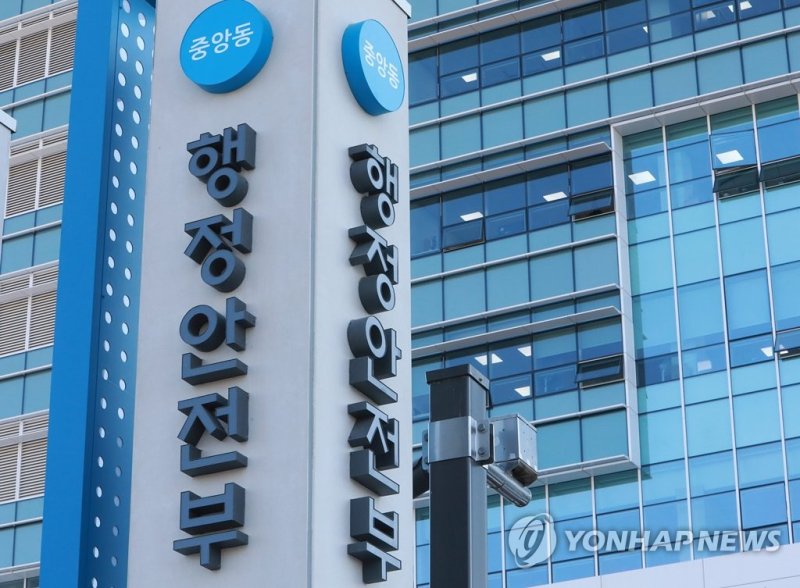
Delinquent Local government revenue has been found to total 6.8 trillion won. In response, the government has decided to actively support local governments so they can use every available measure to recover the arrears to the end from delinquent taxpayers who are deliberately avoiding payment despite having the ability to pay.
On the 23rd, the Ministry of the Interior and Safety (MOIS) notified local governments of the 2026 Comprehensive Plan for Collecting Delinquent Local Non-Tax Revenues, aimed at resolving this year's delinquent local non-tax revenue. The plan seeks to reduce the cumulative arrears, which stood at about 6.8 trillion won based on a preliminary 2025 settlement.
The plan includes four key tasks: supporting systematic collection efforts by local governments, promoting tailored collection measures, protecting taxpayers' rights, and strengthening local governments' collection capabilities.
First, each local government will be required to draw up its own comprehensive collection plan suited to local conditions. It will also be able to independently operate intensive arrears cleanup periods and crackdowns on delinquent vehicles, while expanding field-based investigations through integrated operation of the Delinquent Tax Management Unit covering both local taxes and local non-tax revenue.
Collection measures tailored to each delinquent taxpayer will also be strengthened. Authorities will use a range of tools, including asset seizures, license plate confiscation, restrictions on licensed businesses, and collection requests between local governments. Moving beyond seizures focused mainly on buildings and deposits, they will also actively identify and seize hidden assets such as presale rights and intellectual property rights. For large-scale and habitual delinquents, authorities will immediately enforce name disclosure and business restrictions under the Act on the Collection of Local Administrative Penalty Charges. The government is also pushing to legislate tougher sanctions, including travel bans and the provision of financial information.
The plan also places emphasis on protecting taxpayers' rights. When assets are seized, advance notice requirements will be strictly observed, and excessive seizures will be prohibited. For livelihood-based delinquents who are willing to pay but face practical difficulties, administrative measures such as deferred disposition and links to customized welfare services will be applied during Delinquent Tax Management Unit field investigations. The government is also considering notifying taxpayers when refunds arise, making direct payments, and creating legal grounds for collection deferrals and installment payments.
To strengthen local governments' collection capabilities, the government will regularly conduct analysis and diagnosis of local non-tax revenue operations. Local governments with poor performance will receive expert consulting tailored to their needs, while those with strong results will be rewarded with institutional commendations and other honors. Regional workshops, explanatory manuals, and competitions to identify and present best practices will be used to enhance the expertise of frontline officials.
Vice Minister of the Ministry of the Interior and Safety Kim Min-jae said, "We will actively support local governments so they can use every available measure to recover arrears to the end from delinquent taxpayers who are deliberately avoiding payment despite having the ability to pay." He added, "At the same time, we will balance that with the protection of taxpayers' rights so that we can build a fair collection administration that the public can feel and trust."
[email protected] Kim Tae-kyung Reporter