Panama Canal tolls rise to record highs amid scramble for U.S. energy supplies
- Input
- 2026-04-23 11:06:32
- Updated
- 2026-04-23 11:06:32
[Financial News] As energy shipments through the Strait of Hormuz have been blocked by the Iran war, Panama Canal tolls are surging.
On the 22nd, local time, the Financial Times (FT) reported that Asian countries facing an energy shortage because of the Middle East crisis are racing to secure U.S. resources, while tolls on the Panama Canal, which links the Atlantic and Pacific oceans, have hit a record high.
According to global energy intelligence firm Argus Media, the number of daily auction bids for recent Panama Canal transit slots has jumped more than fivefold from before the war.
The average auction price for the most frequently used Panamax berth has soared to $837,500, nearly 10 times higher than before the Iran war. In particular, some companies paid as much as $4 million at auction this month to cut waiting times.
The Panama Canal Authority said traffic is moving smoothly and that "the canal continues to operate in a reliable manner."
Ross Griffiths, who handles cargo pricing for the Americas at Argus, said, "The price spike for the traditional Panamax berth, used by 70% of all transiting vessels, shows how desperate Asian buyers are to secure oil, fuel and coal from the Gulf Coast of the United States."
With the Strait of Hormuz, the world's largest energy artery, effectively closed, production and export routes for Middle Eastern oil producers have been blocked, prompting Asian refiners to turn to the United States as an alternative source.
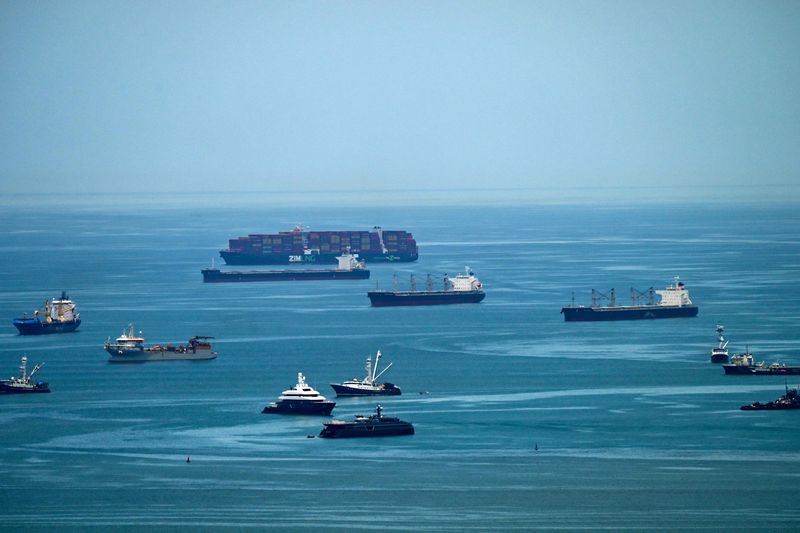
As ships crowd into the Panama Canal, the fastest route for carrying U.S. crude and fuel to Asia, bottlenecks have worsened. According to energy data research firm Kepler, the waiting time for oil tankers at the canal has now reached 4.25 days, the highest level in six weeks.
Kenneth Madlock, director of the Energy Research Center at Rice University, explained, "There is a severe shortage of supply at sea right now. The United States has abundant crude oil and refined products, but as buyers rush to secure them, maritime traffic is increasing."
Qasim Afghan, an analyst at market intelligence platform Spark Commodity, said, "Most U.S. ships are bypassing the Cape Route off the Cape of Good Hope and heading to Asia, but from a profitability standpoint, passing through the Panama Canal is far more advantageous."
In fact, since the end of February, when the war began, 29 tankers carrying diesel, LNG, and jet fuel have changed their routes, and most of them were headed for Asia.
Experts say that if the Iran war drags on, the burden of higher energy import costs on Asian countries will intensify, making a major blow to the real economy, including rising domestic prices, unavoidable.
[email protected] Yoon Jae-joon Reporter