U.S. Trade Representative Criticizes Foreign Digital Regulations, Cites Korea, Says He Wants Results
- Input
- 2026-04-23 08:19:31
- Updated
- 2026-04-23 08:19:31
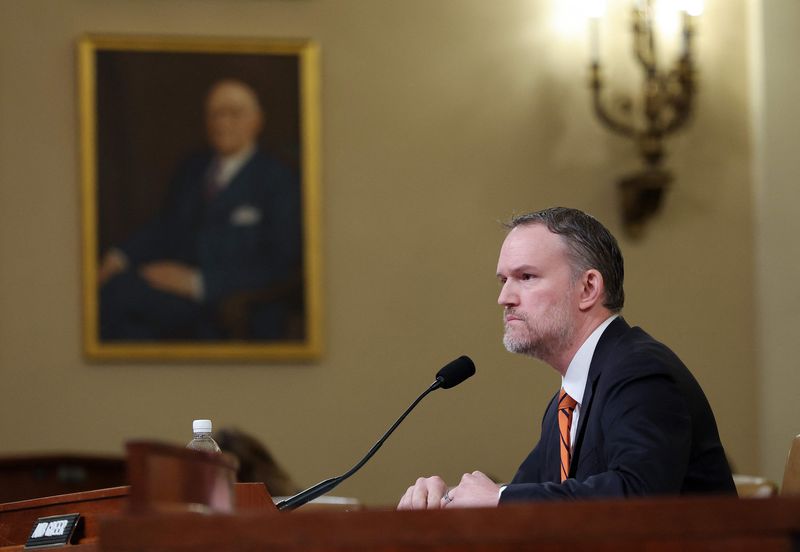
[Financial News] The United States, which is threatening trade partners with new tariffs instead of "reciprocal tariffs," argued that digital regulations should be changed, citing Korea.
Jamieson Greer, the chief of the Office of the United States Trade Representative (USTR), appeared before a U.S. House hearing on the 22nd (local time) and was asked when USTR's investigation under Section 301 of the Trade Act of 1974 into foreign digital issues would be completed. In response to a follow-up question about whether the focus would be on countries such as the European Union (EU), Korea, Australia and Canada, Greer said, "That's an area we are pretty focused on."
Greer said, "We want to make sure other countries are not discriminating against our companies, not burdening them excessively, and not using them as cash cows," adding, "Whether it's the EU, Australia, Korea, or EU member states, we want to see results in these countries." He said Section 301 of the Trade Act of 1974 gives the United States a range of possible measures, but added that this is not a situation in which it would be used for tariff purposes.
He then referred to France's move to raise the Digital Services Tax to 6% before putting it on hold, and said, "We have tools. We expect to use them if necessary. We are trying to get results through negotiation, but if necessary, we will use them."
Section 301 of the Trade Act of 1974, enacted in 1974, allows the United States to retaliate with import bans or tariffs if a trading partner harms U.S. companies through unfair systems or discrimination. To trigger retaliatory measures, USTR must first investigate the unfair practices, and such investigations generally conclude within a year.
Last year, the Donald John Trump administration imposed reciprocal tariffs on Korea and others under the International Emergency Economic Powers Act (IEEPA). After the Supreme Court of Korea ruled in February that the measure was illegal, the administration immediately began looking for another law to replace it. On the 11th of last month, USTR said it would launch an investigation under Section 301 of the Trade Act of 1974 into unfair practices by 15 countries, including Korea, and the EU. At the time, USTR pointed to the possibility of "overproduction," saying Korea continued to run a surplus in trade with the United States in electronics, automobiles and other sectors.
Greer also mentioned Korea at a discussion hosted by a local think tank on the 7th. He pointed to the U.S. investment plan agreed by the leaders of the two countries in October last year and said, "There have been some delays in Korea." He added that Korea's investment areas were "in some cases focused on generic drugs, and in other cases on semiconductors."
[email protected] Park Jong-won Reporter