Iran Avoids Direct Response to Ceasefire Extension, Says It Welcomes Dialogue... Stresses National Interests in the Strait of Hormuz
- Input
- 2026-04-23 07:55:26
- Updated
- 2026-04-23 07:55:26
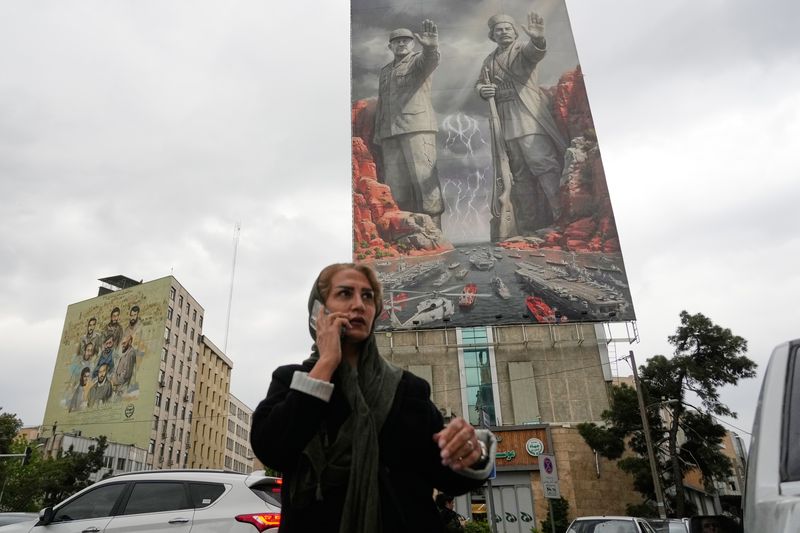
[The Financial News] Officials in the government of the Islamic Republic of Iran (IRI), which did not take part in the second round of ceasefire talks with the United States of America, avoided giving an official response to the indefinite ceasefire while insisting that dialogue with Washington remains possible. They argued that the United States of America should stop trying to control the Strait of Hormuz and end its threats against the Iranian government.
President Masoud Pezeshkian wrote on social media platform X on the 22nd local time that "the Islamic Republic of Iran has always welcomed dialogue and agreement, and will continue to do so." He said that "malicious distrust, blockades, and threats are the main obstacles to real negotiations." Pezeshkian also criticized Washington, saying, "The whole world is witnessing your hypocritical empty words and watching the contradiction between your claims and your actions."
After blocking the Strait of Hormuz in response to attacks by the United States of America and the State of Israel in February, Iran entered a ceasefire with the United States of America on the 7th. Washington demanded that Iran fully reopen the Strait of Hormuz, and when that did not happen, it began seizing or turning back Iran-linked vessels traveling to and from the strait and nearby Iranian ports from the 13th. By the 22nd, the United States of America had ordered a total of 29 ships near Iran to change course or head to other ports.
In response to these U.S. measures, Iran did not send a delegation to the second round of ceasefire talks scheduled for the 22nd in Islamabad, Pakistan. Despite the United States of America's declaration of an indefinite ceasefire on the 22nd, Iran seized three merchant ships in the Strait of Hormuz that day.
Mohammad Bagher Ghalibaf, Speaker of the Parliament of Iran, who led the Iranian delegation at the first round of ceasefire talks on the 11th, commented on the ceasefire in an X post on the 22nd. He said that "a complete ceasefire only has meaning when maritime blockades and the taking of the global economy hostage come to an end," adding that "the warmongering behavior of the Zionists in all fronts must stop." He drew a firm line, saying that "it is impossible to reopen the Strait of Hormuz while blatant ceasefire violations continue."
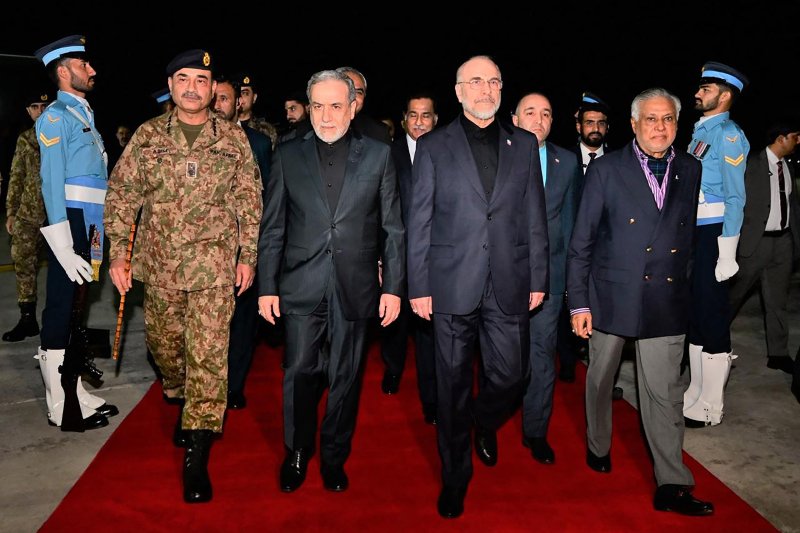
Pakistan, which mediated the ceasefire between the United States of America and Iran, found itself in an awkward position after Iran failed to issue an official response to Washington's announcement of a ceasefire extension. According to IRIB, Esmail Baghaei, spokesperson for the Ministry of Foreign Affairs of Iran, said at a briefing on the 22nd that Iran appreciated Pakistan's efforts to end the war. However, in response to Pakistan's request to extend the ceasefire, he stressed that "the Islamic Republic of Iran was not the one that started the imposed war" and that "all of Iran's military actions were carried out as an exercise of its legitimate right to self-defense against military aggression by the United States of America and the Zionist regime (Israel)."
He said that "Iran is closely monitoring the current battlefield situation and the unfolding political landscape, and is taking all necessary measures to defend its national interests and security."
IRIB said this was the Iranian government's only official response to Pakistan's request to extend the ceasefire. It added that no additional comments had been made by other senior officials so far.
[email protected] Park Jong-won Reporter