U.S. Seeks to Buy Time Amid Escalation Concerns, Aiming to Exploit Internal Divisions in Iran [U.S.-Iran War]
- Input
- 2026-04-22 18:15:31
- Updated
- 2026-04-22 18:15:31
■ A 'buying time' strategy focused on watching Iran's divisions
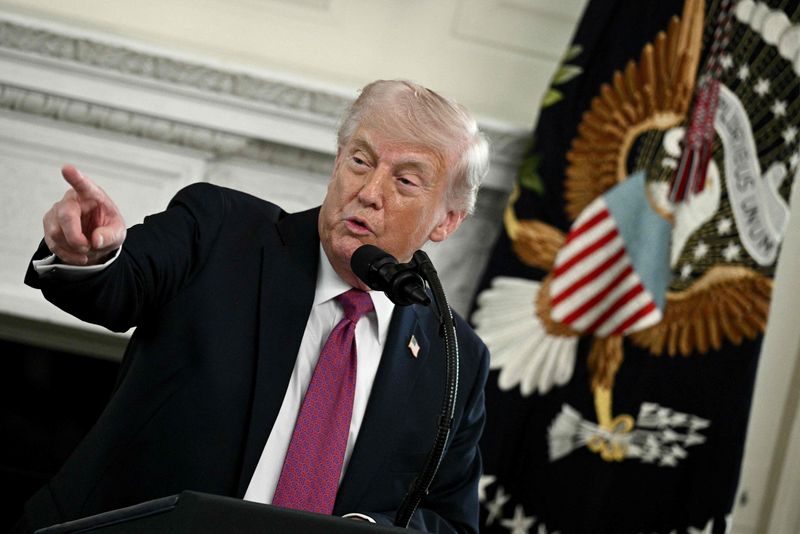
As the deadline for the first ceasefire between the U.S. and Iran approached, President Donald Trump said on Truth Social on the 21st, local time, that "the Iranian government is, as expected, seriously divided, and at the request of Pakistan's Chief of Army Staff Asim Munir and Prime Minister Shehbaz Sharif, we were asked to halt attacks until the negotiating team comes up with a unified proposal." He added, "We will extend the ceasefire until the proposal is submitted and discussions are concluded."
According to The Wall Street Journal (WSJ), Trump continued meeting with aides at the White House that day and repeatedly asked whether Iran could actually carry out a final agreement. The aides reported that Iran's government is not a single power structure and that hard-liners oppose negotiations. As a result, even if talks succeed, questions remain over whether any deal can be implemented. The U.S. has decided to keep sanctions in place while waiting for a concrete proposal from Iran.
■ Hard-liners vs. moderates
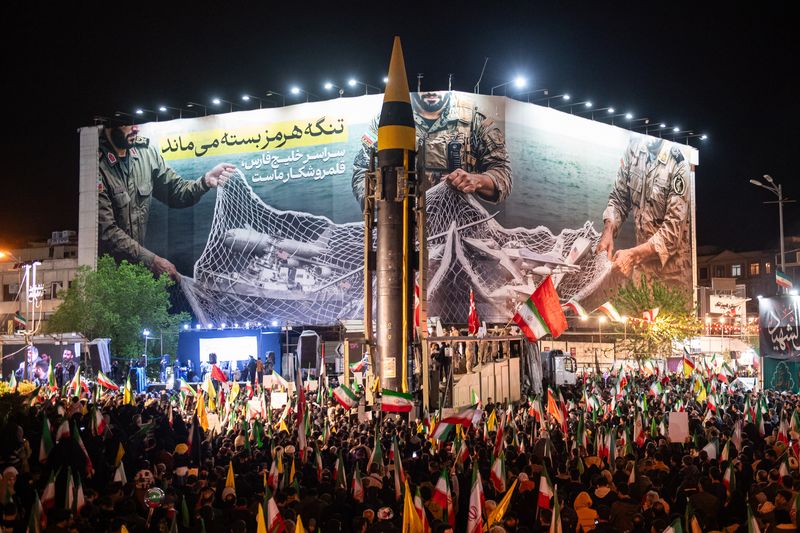
Internal conflict in Iran was laid bare in its response to the Strait of Hormuz. On the 17th, Foreign Minister Abbas Araghchi declared that the strait would be fully open, but the hard-line IRGC reversed that position the next day and moved to reimpose the blockade.
Views also diverged over a second round of talks. Mohammad Bagher Ghalibaf, the speaker and chief negotiator, said, "There are no negotiations under threat," but foreign media reported, citing unnamed Iranian sources, that preparations for talks were under way.
The Institute for the Study of War (ISW), a U.S. think tank, said tensions between IRGC Commander Ahmad Vahidi and Speaker Ghalibaf are intensifying. The Economist assessed that Mojtaba Khamenei, who has been chosen as supreme leader, has not yet fully consolidated power. As a result, even if Iran enters negotiations, internal divisions could make it difficult to reach an agreement, and any deal could remain unstable afterward. Ali Vaez of the International Crisis Group told AP that "the Iranian system is built around multiple overlapping centers of power, and factionalism is an inherent feature of the regime."
■ War burden and worsening public opinion make escalation a cautious choice
The burden of military operations is also cited as a reason for extending the ceasefire. The WSJ reported that Trump appeared wary in front of aides about negative public opinion toward resuming attacks on Iran. In a poll by AP and the University of Chicago, Trump's approval rating stood at 33 percent, down 5 percentage points from a month earlier. His approval on handling living costs was only 23 percent, reflecting deep dissatisfaction with economic issues.
In this situation, any additional attack on Iran's energy facilities could escalate the war and likely push up global oil prices.
The WSJ said distrust and differences between the two sides remain wide, but mediators and negotiators are also discussing possible compromises on key issues such as the nuclear program. Still, progress in talks is expected to remain limited unless Iran settles on a unified internal position.
Meanwhile, Pakistan, which has bought time through the U.S. announcement of a ceasefire extension, plans to work toward hosting a second peace meeting in its own country. On X, Prime Minister Shehbaz Sharif said, "Personally and on behalf of Chief of Army Staff Asim Munir, I sincerely thank President Trump for graciously accepting our request to extend the ceasefire so that ongoing diplomatic efforts can bear fruit." He added, "Encouraged by the trust and confidence he has shown, Pakistan will continue its earnest efforts to resolve the armed conflict through negotiation."
[email protected] Reporter