U.S. Attacks Iran’s Economy Despite Indefinite Ceasefire...Oil Production Could Stop
- Input
- 2026-04-22 09:58:53
- Updated
- 2026-04-22 09:58:53
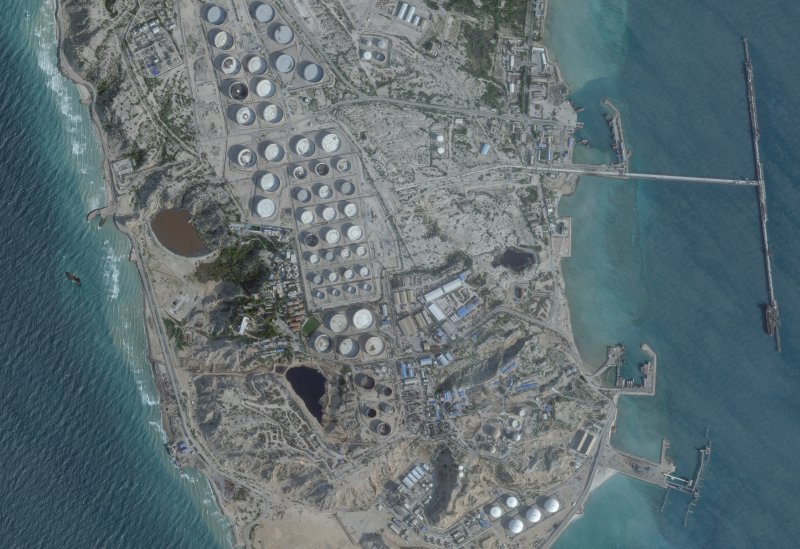
[Financial News] The United States plans to keep pressuring Iran’s economy even as it enters an indefinite ceasefire with the country. Washington said it will continue blocking Iranian oil exports during the ceasefire and has also added new economic sanctions.
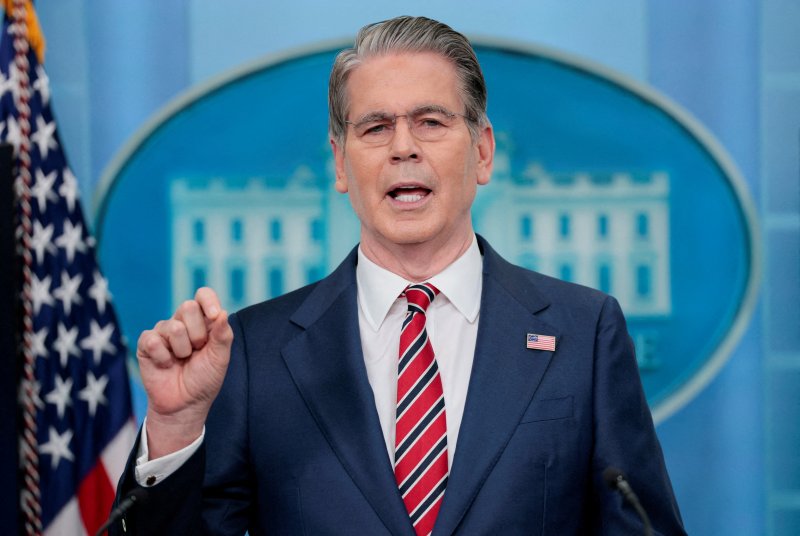
U.S. Treasury Secretary Scott Bessent wrote on X on the 21st local time, "As the President of the United States has made clear, the U.S. Navy will continue its blockade of Iranian ports." He added, "Within days, the (crude oil) storage tanks on Kharg Island will be full, and Iran’s vulnerable oil wells will be taken offline."
After launching attacks on Iran under Operation Mighty Rage since February and declaring a two-week ceasefire on the 7th, U.S. President Donald Trump extended the truce indefinitely on the 21st, the day it was set to expire, through Truth Social. He said the ceasefire would remain in place "until Iran’s proposal is submitted and the (end-of-war negotiations) discussions are concluded one way or the other." He also stressed that the blockade of the Strait of Hormuz and Iranian ports, which began on the 13th, would continue during the ceasefire.
Iran produced 4.678 million barrels of oil per day in 2024, accounting for 4.7% of global oil supply. That made it the world’s sixth-largest producer after China. Kharg Island is a 22-square-kilometer coral island deep in the northwestern Persian Gulf and a key economic hub that handles about 90% of Iran’s crude oil exports.
In general, oil-producing countries export what they produce and store the rest in onshore tanks or tankers at sea. In the Persian Gulf region, producers cut output after Iran blocked oil exports by closing off the Strait of Hormuz in February, leaving them short of storage space.
CNN noted that 80% of Iran’s exports are oil. Citing JPMorgan, it said Iran may have to scale back or halt oil production if the U.S. blockade leaves it without storage space. CNN also cited the maritime data platform Kpler, which said Iran still has 176 million barrels of crude oil stored at sea, leaving it with enough supply to sell.
Bessent warned, "Restricting Iran’s maritime trade directly targets the regime’s main source of revenue." He added, "Through this 'economic rage operation,' the Treasury Department will continue maximum pressure to systematically weaken the Iranian government’s ability to generate, move, and transfer funds."
He also emphasized, "Individuals or vessels that enable these financial flows through covert trade and finance may be subject to U.S. sanctions." He added, "We will continue freezing the funds stolen by Iran’s corrupt leadership for the Iranian people."
Separately, the Treasury Department said in a notice on its website on the 21st that it had sanctioned eight individuals and four entities based in Iran, Turkey, and the United Arab Emirates using OFAC. The department said the sanctioned parties had supplied servo motors for attack drones to Iran or delivered precursors for ballistic missile propellants. It added that the sanctions were part of the economic rage operation.
[email protected] Park Jong-won Reporter