Trump, Eager to Curb Oil Prices, Turns to Law Enacted During the Korean War [Tug-of-War Over Second U.S.-Iran Talks]
- Input
- 2026-04-21 18:28:08
- Updated
- 2026-04-21 18:28:08
On the 20th (local time), Trump announced five presidential memorandums that would allow federal funds to be used in the energy sector under the Defense Production Act (DPA). The measures cover the broader energy industry, including oil production and refining, coal supply chains, natural gas transmission, and power grid infrastructure.
With this move, the U.S. Department of Energy has secured authority to inject direct funding into those sectors. A White House official explained that the administration can now address delays, funding shortages, and market barriers across the industry through energy purchases and financial support. The money will come from a large spending package passed last year.
In the memorandum, Trump said, "A resilient domestic energy production base is central to America's defense posture," adding, "Without immediate action, national security could remain exposed to ongoing risk." He also stressed that securing natural gas and liquefied natural gas (LNG) is directly tied to the energy security of U.S. allies.
The DPA was enacted in 1950 during the Korean War, when shortages of military supplies prompted its creation. It gives the president broad authority to compel and support private-sector production. Trump used the law during his first administration to expand ventilator production in response to COVID-19. More recently, he invoked the DPA in efforts to restart oil production off the California coast, and the Joe Biden administration also used the same law to boost production of energy equipment such as solar panels and transformers.
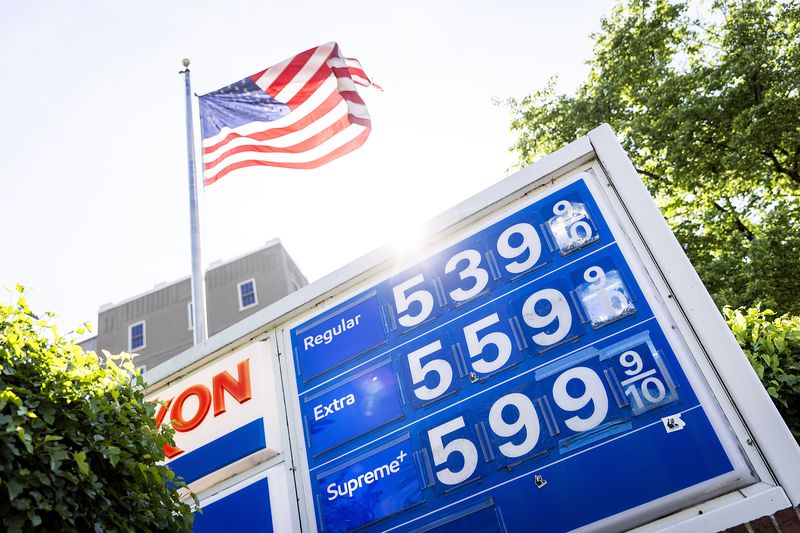
As uncertainty over energy prices continues amid the prolonged war, differences in views are emerging within the U.S. administration. In a recent CNN interview, U.S. Secretary of Energy Chris Wright said gasoline prices could take until 2027 to fall below $3.30 per gallon, even if the Strait of Hormuz is reopened. Trump dismissed that assessment in an interview with The Hill on the same day, saying it was "completely wrong."
Meanwhile, Brent Crude Oil futures for June delivery on ICE Futures Europe closed at $95.48 per barrel on the 20th, up 5.64% from the previous trading day. Over the same period, West Texas Intermediate crude oil (WTI) futures for May delivery on NYMEX ended at $89.61 per barrel, up 6.87%.