"Stronger Than Obama’s Nuclear Deal" — Trump Pressure Makes Talks More Complicated [Tug-of-War in the Second U.S.-Iran Negotiations]
- Input
- 2026-04-21 18:27:59
- Updated
- 2026-04-21 18:27:59
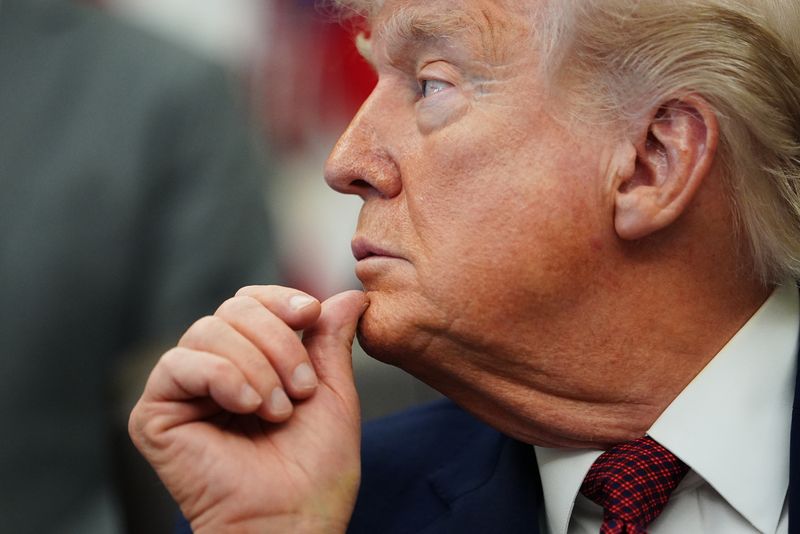
■Trump: "A better deal than the JCPOA"
On the 20th local time, President Trump wrote on Truth Social that "the deal we are making with Iran will be much better than the JCPOA." He added that "the JCPOA was a sure path to nuclear weapons, but that will not happen, and cannot happen, under the deal we are pursuing."
Obama’s 2015 agreement recognized Iran’s nuclear program to a certain extent, but limited enrichment levels, stockpile size, and the duration of the program. In return, it offered sweeping sanctions relief. By contrast, the new deal Trump is pursuing aims for tougher terms, including a long-term or permanent halt to domestic enrichment, the removal of all 60% highly enriched uranium from Iran, sanctions relief limited to specific uses, and broader restrictions covering missile development, range, and armed proxy forces.
The biggest difference lies in whether uranium enrichment will be allowed at all. Under the 2015 deal, the Obama administration allowed Iran to enrich uranium domestically at a limited level of up to 3.67% for 15 years, for civilian use. Trump’s team, however, is pushing for a complete halt to enrichment inside Iran. The United States once called for a 20-year suspension, while Iran demanded a five-year freeze.
However, The Wall Street Journal (WSJ), citing negotiators from both sides, reported that the two countries are working on a plan under which Iran would suspend enrichment for 10 years and then be allowed to produce limited amounts of low-enriched uranium for at least another 10 years.
■Three major differences from Obama
There is also a major difference in how highly enriched uranium would be handled. The Obama deal limited the amount of enriched uranium Iran could hold and required excess material to be diluted or shipped out of the country. Under the 2015 agreement, the stockpile of highly enriched uranium was capped at 3.65%, or 300 kg. By contrast, Trump’s team is demanding that all of Iran’s current stockpile of about 440 kg of 60% highly enriched uranium be removed from the country. France and Turkey have been mentioned as possible destinations. If the Obama approach was about management and control, the Trump approach is seen as one of removal.
The difference is also clear when it comes to sanctions relief. The Obama administration offered broad sanctions relief in exchange for nuclear restrictions, including the release of frozen overseas assets and eased sanctions on oil trade. At the time, it agreed to lift the freeze on Iran’s overseas assets, worth $100 billion, and to ease restrictions on Iranian oil transactions. The Trump administration, however, is taking a more cautious approach to sanctions relief. There is a strong push to place certain limits on how the funds can be used, while Iran is demanding that any relief be durable and irreversible.
In the end, President Trump wants a tougher deal than Obama’s, but the bar Iran must clear has also been raised accordingly.
Iranian international lawyer Ali Nasri told The Guardian that "there is a complex path to peace between the test of whether Trump can prove he is different from Obama and the question of whether Iran can resist short-term temptation and choose a long-term strategy." Analysts say this shows the talks are expanding beyond a simple question of "shutting down nuclear facilities for a few years" or "loosening sanctions by a few percentage points," and are becoming a test of whether a new security order can be designed that goes beyond the Obama-era nuclear deal.
[email protected] Reporter