Hormuz Blocked, Panama Faces Massive Congestion: 3.5-Day Wait at Canal
- Input
- 2026-04-17 10:57:36
- Updated
- 2026-04-17 10:57:36
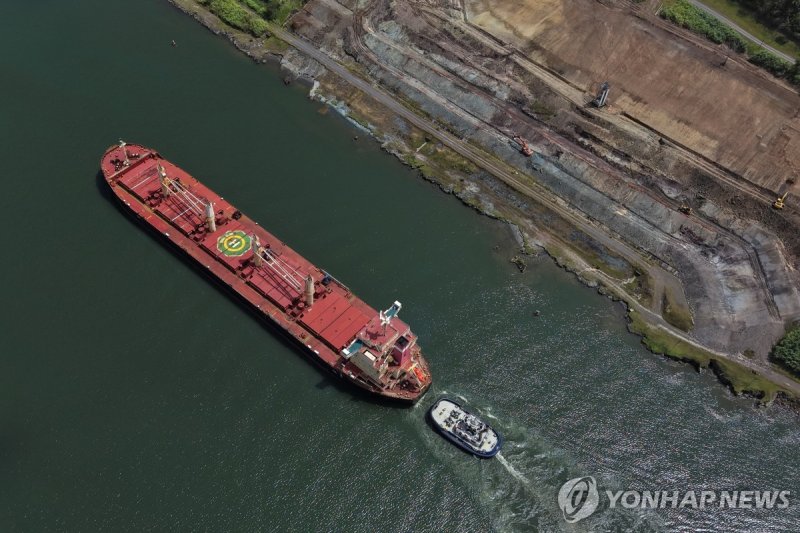
[Financial News] The war involving Iran has effectively blocked the Strait of Hormuz, sharply disrupting global maritime logistics. As energy shipments from the Middle East are interrupted, shipping companies are diverting to the Panama Canal as an alternative route, intensifying bottlenecks there.
According to industry sources on the 17th (local time), crude oil tankers, gas carriers, and cargo ships are converging on the Panama Canal, pushing the average waiting time to enter the canal to about 3.5 days. As demand surges to avoid shipping delays, fast-track auction fees for immediate passage have soared to as high as 4 million dollars (about 5.9 billion won).
This level of congestion is seen as the worst since traffic through the canal was restricted during the 2023–2024 drought.
The immediate cause of the current logistics crisis is the closure of the Strait of Hormuz. In late February, Iran effectively shut the strait in response to airstrikes by the United States and Israel, severely disrupting exports of crude oil, natural gas, and chemical products from Persian Gulf oil producers.
Global supply chains are being rapidly reshaped as a result. Asian countries that rely heavily on Middle Eastern energy are turning to US crude oil and gas as substitutes, causing a surge in shipments originating from the Americas. Analysts say this redirected traffic is concentrating at the Panama Canal and worsening congestion.
Actual shipping costs have also jumped. A recent liquefied petroleum gas (LPG) carrier agreed to pay 4 million dollars at auction to move up its transit slot, more than four times the level of under 1 million dollars seen in early last month. This is an extra fee paid on top of the regular tolls.
The Panama Canal Authority (ACP) explained that "auction prices are a temporary phenomenon determined by each shipping company's urgency, global supply and demand conditions, and freight and fuel prices," stressing that they are separate from official tolls.
The Panama Canal, which stretches about 82 kilometers and links the Atlantic and Pacific oceans, is a critical maritime corridor. The current congestion is expected to reverberate across global energy and logistics markets.
[email protected] Kim Kyung-min Reporter