"Are Vaccines Useless Too?"... COVID Variant 'Cicada' with 70 Mutations Spreading in South Korea
- Input
- 2026-04-17 06:58:26
- Updated
- 2026-04-17 06:58:26
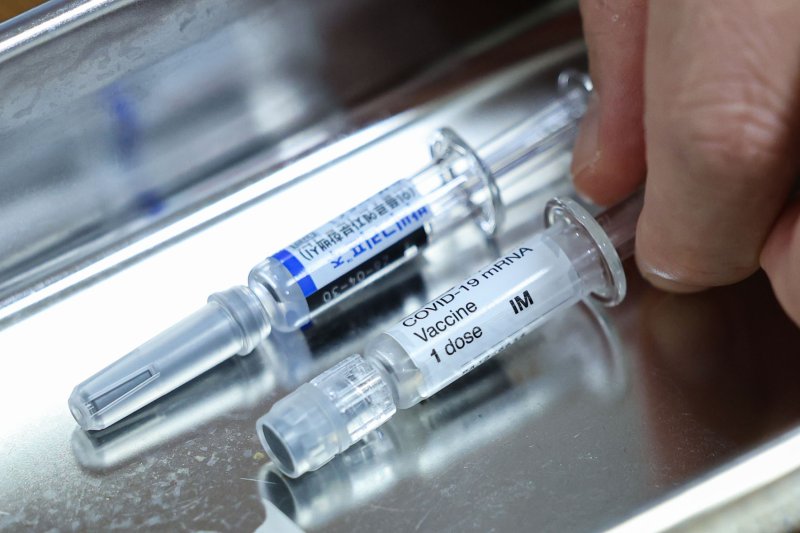
[The Financial News] The BA.3.2 Omicron subvariant of Coronavirus disease 2019 (COVID-19), commonly referred to as "Cicada," appears to be spreading quickly within South Korea.
Known for remaining dormant in the body for an extended period before emerging
According to the Centers for Disease Control and Prevention (CDC) on the 16th (local time), as of the 13th of this month the BA.3.2 Omicron subvariant has been detected in 33 countries worldwide, including the Republic of Korea (South Korea), Japan, and the United States of America (US). In the US, infections had been confirmed in 25 states as of February.
Nihon Keizai Shimbun, also known as The Nikkei, reported that the variant was first identified in samples collected in Tokyo between January 19 and 25.
The spread within South Korea is also steep. Data on domestic COVID-19 viral lineage prevalence from the Korea Disease Control and Prevention Agency (KDCA) show that the share of the BA.3.2 Omicron subvariant rose sharply from 3.3% in January to 12.2% in February and 23.1% in March.
The nickname "Cicada" comes from the way this variant appears to lie dormant in the body for a long time before surfacing, resembling cicadas that live underground as nymphs for many years before emerging.
First detected in South Africa in 2024, now spreading domestically
The variant was first identified in November 2024 in the Republic of South Africa (South Africa). When sporadic cases appeared in Europe around April last year, it did not spread widely, but reports indicate that infections began to increase again from around September of the same year.
The reason the BA.3.2 Omicron subvariant, once considered just one of many variants, has drawn attention is its genetic sequence. Unlike the previously dominant JN.1 lineage, it has been found to carry about 70 to 75 mutations, raising concerns that existing vaccines may be less effective.
Kei Sato, a virology professor at The University of Tokyo (UTokyo), said, "No one imagined that the BA.3.2 Omicron subvariant would evolve and emerge without drawing anyone's attention," adding, "There is a high possibility that antibodies induced by vaccination will struggle to exert their effect."
The World Health Organization (WHO) designated the BA.3.2 Omicron subvariant as a pathogen under monitoring last December. However, research is still insufficient, and data on the exact number of infections, the risk of severe disease, hospitalization needs, and mortality have not yet been fully established.
Experts believe the likelihood that this variant will escalate into a Pandemic is low, but they expect case numbers to continue rising. As a result, they stress that people with underlying conditions such as Diabetes mellitus or Hypertension, as well as older adults, need to exercise particular caution.
[email protected] Reporter Seong Min-seo Reporter