Damage to energy infrastructure from Iran war estimated at 86 trillion won... at least two years needed for recovery
- Input
- 2026-04-16 06:26:11
- Updated
- 2026-04-16 06:26:11
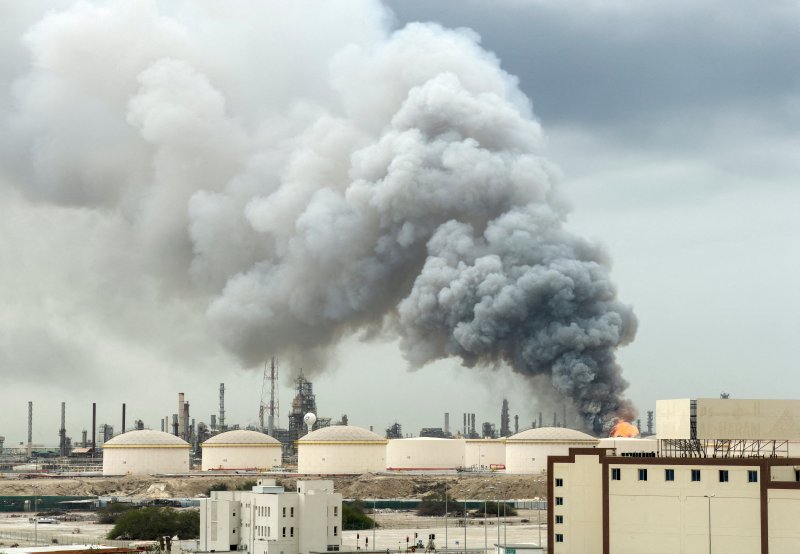
According to The Financial News, the war involving Iran that broke out in late February has devastated energy infrastructure across the Middle East, with total damage estimated at up to $58 billion (about 86 trillion won).
On the 15th (local time), CNBC reported, citing a new study by energy consultancy Rystad Energy, that since the start of the war Iran has attacked oil and gas production facilities, refineries, and pipelines in neighboring Gulf Cooperation Council (GCC) countries. In response, Israel has carried out precision strikes on natural gas and petrochemical facilities inside Iran, inflicting massive economic damage.
Rystad Energy estimated that the direct repair costs for restoring damaged facilities alone will reach at least $34 billion (about 51 trillion won). Iran, which has been hit by direct airstrikes, has suffered the largest infrastructure losses, with repair costs projected at around $19 billion (about 28 trillion won).
International Energy Agency (IEA) Executive Director Fatih Birol said at an Atlantic Council event held in Washington, D.C., on the 13th, "Since the United States and Israel began their attacks on Iran on February 28, more than 80 energy facilities have been targeted." He stressed, "More than one-third of these facilities have been severely damaged," warning that, "Unlike in past conflicts, many installations have been completely destroyed, which will make recovery extremely difficult."
The IEA expects that repairing the damaged facilities and restoring oil and gas production to pre-war levels will take at least two years.
The State of Qatar has emerged as one of the countries hardest hit by the conflict.
On March 18, after Israel bombed Iran’s South Pars gas field complex, Iran retaliated by attacking the world’s largest Liquefied Natural Gas (LNG) facility located in the State of Qatar. The strike knocked out of operation two production lines that together account for 17% of Qatar’s total gas exports.
QatarEnergy, the state-owned energy company, officially announced that the damage will result in revenue losses of about $20 billion (around 30 trillion won), and warned that it could take up to five years to fully restore the facilities.
Iran has also attacked refineries and oil pipelines in the Kingdom of Saudi Arabia (KSA), the State of Kuwait, and the United Arab Emirates (UAE).
Rystad Energy noted that for some facilities, the exact extent of the damage has yet to be assessed, and therefore the final bill for reconstruction is likely to rise further once detailed inspections are completed.
Karan Satwani, a supply-chain analyst at Rystad Energy, analyzed that "surging demand for equipment needed for large-scale reconstruction will put severe strain on the entire global energy supply chain." He added that as the full extent of the damage becomes clearer, total recovery costs are expected to climb even higher.
[email protected] Yoon Jae-joon Reporter