S&P 500 Index Tops 7,000 for the First Time
- Input
- 2026-04-16 03:42:04
- Updated
- 2026-04-16 03:42:04
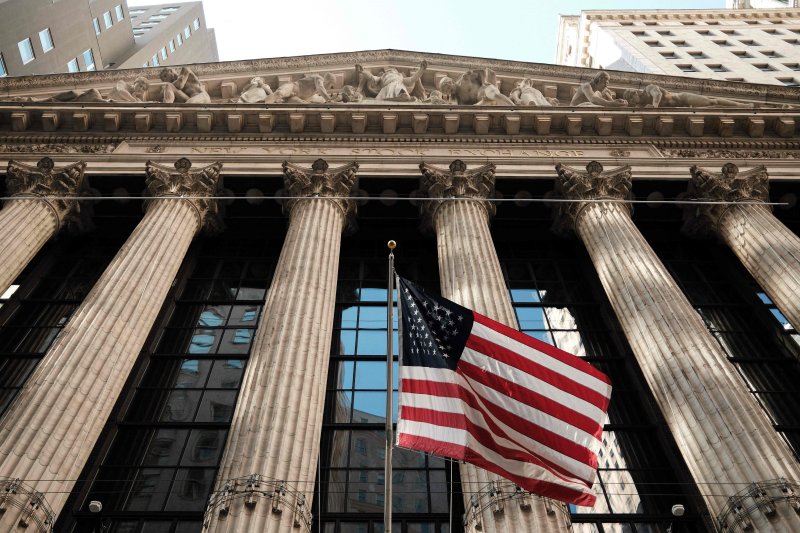
The S&P 500 Index on the New York Stock Exchange (NYSE) climbed above 7,000 on the 15th local time, setting a new all-time high.
On the 13th, the index closed at 6,886.24, surpassing the February 27 close of 6,878.88 recorded just before the 2026 Iran War began. This showed that this key market benchmark has fully shaken off the shock of the war and has now gone on to set a record high.
The previous record closing high was 6,978.60, set on January 27.
Peace hopes and earnings optimism pull together
The rally has been helped by expectations that solid first-quarter earnings will lift stocks, with earnings season kicking off this week with Goldman Sachs. Despite talks breaking down on the 11th, many investors remain optimistic that the United States and Iran will soon return to the negotiating table and eventually reach a deal, pushing the index higher.
U.S. President Donald Trump hinted on the 14th that Washington and Tehran would resume talks within two days. In an interview with Sky News on the 15th, he went further, saying the 2026 Iran War would be over by the end of this month.
Nanette Abuhoff Jacobson, global investment strategist at Hartford Funds, told the Financial Times (FT), "The market is rejecting the war," adding, "As the ceasefire takes effect, the market is stripping out the worst-case scenario."
Since its low on the 30th of last month, the S&P 500 Index has gained more than 10%, led by big technology stocks. Technology names in the S&P 500 have jumped more than 15%, while market bellwether Nvidia has soared 19%.
Max Kettner, head of multi-asset strategy at HSBC, said, "The gains over the past two weeks are entirely justifiable," and stressed, "What really matters is corporate earnings." He added, "Since March, earnings forecasts have been revised higher, particularly in Artificial intelligence (AI) and technology."
Deutsche Bank AG also described the strength of the rebound in the S&P 500 Index as impressive.
As a net energy exporter, the United States has been partly insulated from supply disruptions caused by the 2026 Iran War. While it has not been able to avoid inflationary pressure, it has benefited in part as crude exports have climbed to record highs.
Money flows back to the U.S.
Capital that had flowed out of the United States is now returning.
According to Bloomberg, U.S. equity funds saw net inflows of more than $111 billion (about 163 trillion won) over the past month. Over the same period, funds investing in Europe and Asia recorded net outflows.
A Bank of America (BofA) investor survey also confirmed a "return to U.S. assets" among global fund managers. This month, they reduced their exposure to Japanese and Eurozone assets, while increasing allocations to U.S. assets and technology stocks.
The sharp drop in share prices after the war began, combined with improving earnings expectations, has made valuations more attractive, drawing investors back into the U.S. market.
The price-to-earnings ratio (PER) of the S&P 500 Index has fallen to its lowest level since the Liberation Day crash in April last year.
In the BofA survey, the share of fund managers who said U.S. stocks are overvalued fell to its lowest level since 2019.
[email protected] Song Kyung-jae Reporter