Victor Cha: "US focus on North Korea shifting from denuclearization to North Korea–Russia–Iran cooperation"
- Input
- 2026-04-15 15:31:43
- Updated
- 2026-04-15 15:31:43
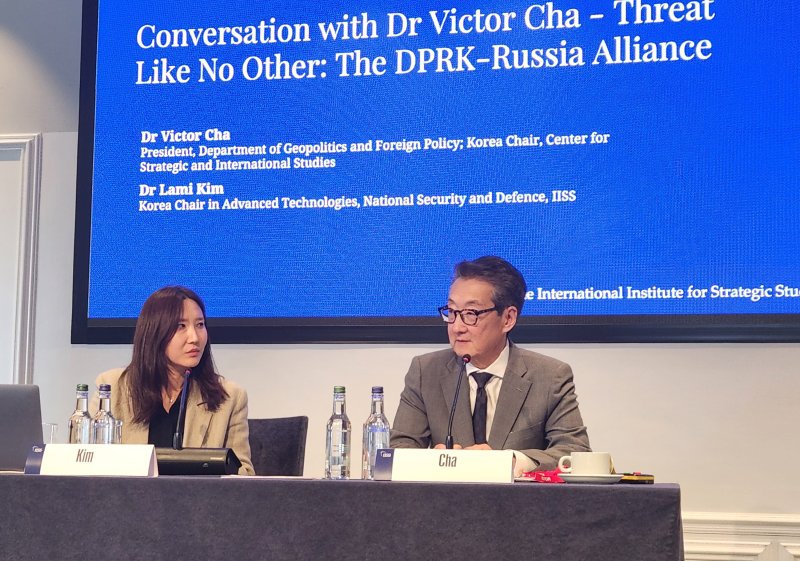
2 to 18 trillion won) by providing Russia with artillery, ammunition, missiles, soldiers, and laborers. He also cited combat experience with missiles and ground forces, as well as the replenishment of munitions on a battlefield where drone warfare and ground warfare are intertwined, as additional gains the DPRK has made from its participation in the Russo-Ukrainian War.
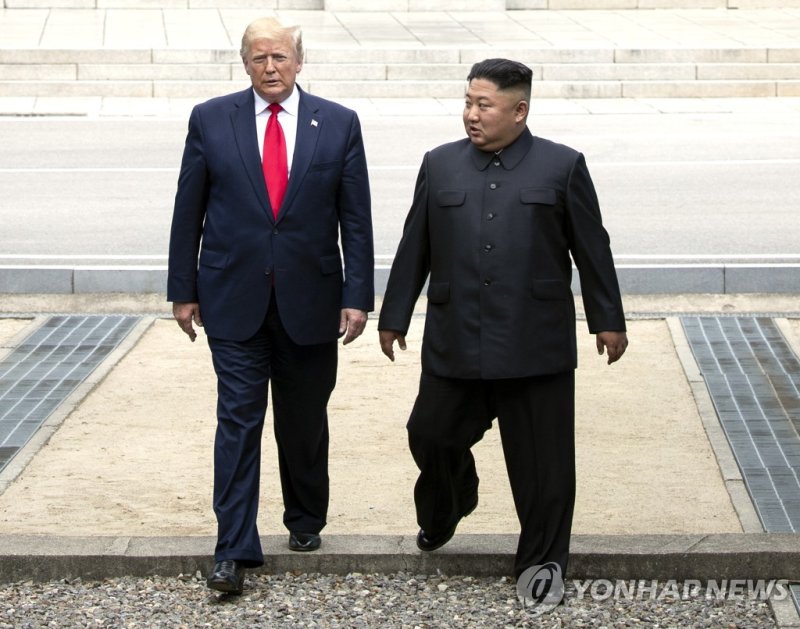
On this point, he analyzed, "As Russia has in effect reinvested in North Korean munitions factories, the DPRK has been able to stockpile far larger quantities of arms, and of better quality than before the Russo-Ukrainian War. " Donald Trump and Kim Jong Un meet at Panmunjom in 2019.
Cha also argued, "Because its material needs have been met through its close ties with Russia, the DPRK is now far less likely to negotiate with a Donald Trump administration in the US or a government led by President Lee Jae-myung of South Korea.
" He stressed, "If the US resumes contact with the DPRK, its top priority is likely to move away from complete, verifiable, and irreversible denuclearization and toward issues such as North Korea and Russia relations and the potential for North Korea–Iran relations.
In that process, we cannot rule out the possibility that it will seek assistance from the DPRK," adding, "This would run counter to US national interests.
" Cha assessed, "The DPRK is even harder for the US to deal with precisely because it is not the Islamic Republic of Iran," explaining, "In the case of the DPRK, you cannot simply go in and bomb the facilities as was done with Iran.
To begin with, we do not know the locations of all the facilities, they may be buried so deep that even bunker busters cannot completely destroy them, and in practical terms North Korea is already a nuclear-armed state.
" He added, "According to the US government’s assessment, the DPRK can strike most parts of the US with its ICBMs, so military options are not particularly effective.
"
[email protected] Hong Chae-wan Reporter