Japan Expands 'Specified Critical Materials' to Chemical Products Amid Naphtha Supply Turmoil
- Input
- 2026-04-15 10:04:41
- Updated
- 2026-04-15 10:04:41
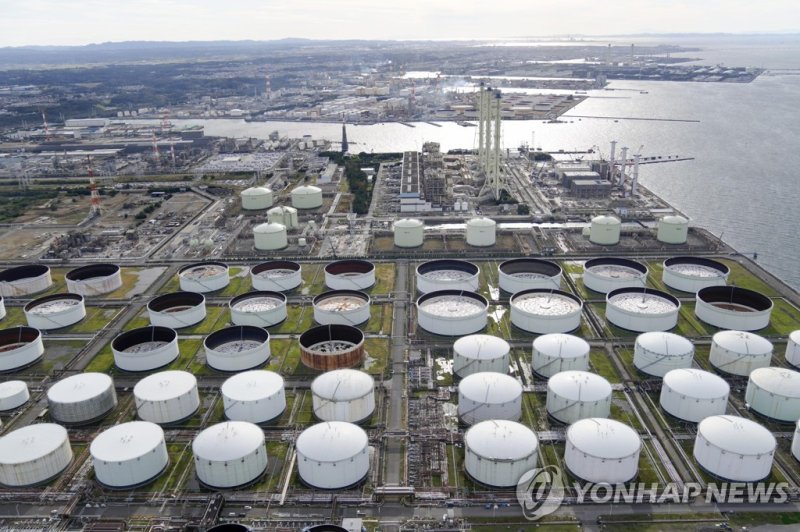
The Ministry of Economy, Trade and Industry of Japan (METI) plans to include this initiative in a review report on "strengthening domestic manufacturing bases" that reflects geopolitical risks, and will release it soon. Specified critical materials are designated by cabinet ordinance without going through the Diet, and METI intends to complete the designation within the year in consultation with the Cabinet Office.
The scope is expected to cover "general-purpose chemical products," including basic chemicals and chemically processed intermediate materials. Basic chemicals will include petroleum-derived Ethylene and Propylene, as well as methanol derived from natural gas, while intermediate materials will cover synthetic rubber, pharmaceutical ingredients and similar products.
These substances serve as fundamental raw materials for plastic, synthetic fiber, coating material and electronic materials, and are used across a wide range of industries such as automobiles, electronics and healthcare. Specific items to be designated will be chosen based on the degree of dependence on overseas supplies and overall supply chain risk.
Once designated as specified critical materials under the Economic Security Promotion Act, companies involved become eligible for government support, including subsidies and low-interest loans for capacity expansion, technology development and increased stockpiling. At present, 16 items such as semiconductor products, batteries and critical minerals are on the list, while the chemical sector has so far been limited to a few specialized uses, including Helium for semiconductors.
The Nikkei noted, "With tensions in the Middle East recently intensifying, supply instability for intermediate materials such as Ethylene produced from Naphtha feedstock is becoming a reality, making the risks of overseas dependence more visible," adding that "METI is hurrying its response and plans to support investment in manufacturing facilities to strengthen domestic supply chains. " According to the Japan Petrochemical Industry Association, imports accounted for more than 20% of Japan's basic chemical products such as Ethylene in 2024, the highest level since 2010.
Meanwhile, the Japanese government is also pursuing a plan to designate recycled resources such as waste plastic as "circular resources," in order to reinforce domestic recycling systems and reduce reliance on imports. The report on strengthening domestic manufacturing bases will also include measures to support core manufacturing processes such as metal casting and forging, along with plans to foster components for Humanoid robot systems, where demand is expected to grow with the spread of Artificial Intelligence (AI).
These policies are expected to be reflected in the government's growth strategy this summer.
Metal casting is a process in which molten metal is poured into molds to create complex shapes, and it is a foundational technology for industries such as shipbuilding and machine tool manufacturing.
However, aging facilities and labor shortages are eroding production capacity.
At the same time, components and motors for Humanoid robots are dominated by companies from China, leaving Japanese firms at a relative competitive disadvantage.
Source: Yonhap News Agency With instability in the Middle East heightening risks to the supply of crude oil, Naphtha and other energy sources, the Japanese government is moving to designate petroleum- and natural gas-derived chemical products as "specified critical materials," the Nihon Keizai Shimbun reported on the 15th, citing government plans. The report was filed from Tokyo by Financial News correspondent Seo Hye-jin.
[email protected] Seo Hye-jin Reporter