Hungarian Election Sets Off Internal Battles in U.S. Parties, With Attention on the Lee Jae Myung Precedent
- Input
- 2026-04-14 11:13:33
- Updated
- 2026-04-14 11:13:33
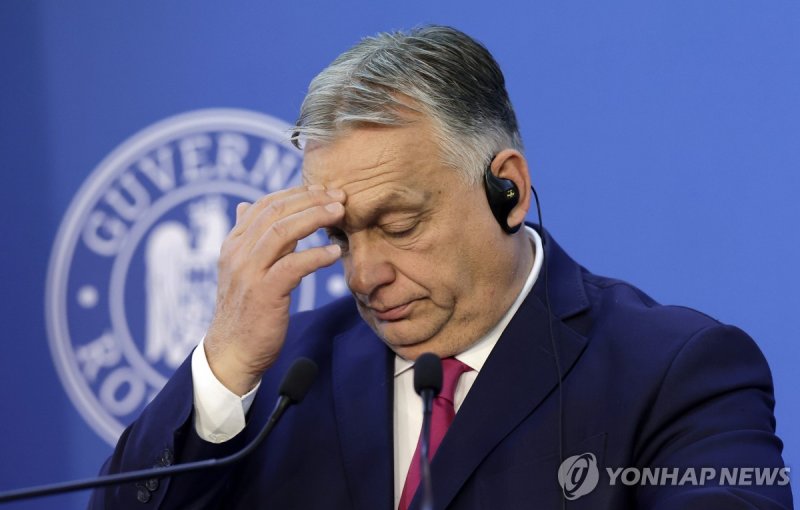
On the 13th (local time), Politico ran a column analyzing what the Hungarian parliamentary election means for the next U.S. presidential race. The article said the result was “both a setback for the White House and a humiliation for Donald Trump, the U.S. president’s closest ally in Europe, Viktor Orbán.”
Before the vote, Fidesz – Hungarian Civic Alliance, led by Orbán, suffered a heavy defeat in the election despite open endorsements from President Donald Trump and Vice President J. D. Vance. Often dubbed the “Trump of Europe,” Orbán’s rout is seen as an inevitable political and diplomatic blow to Trump, who has sought to secure Hungary as a friendly outpost in a Europe often at odds with him and to rally right-wing forces worldwide.
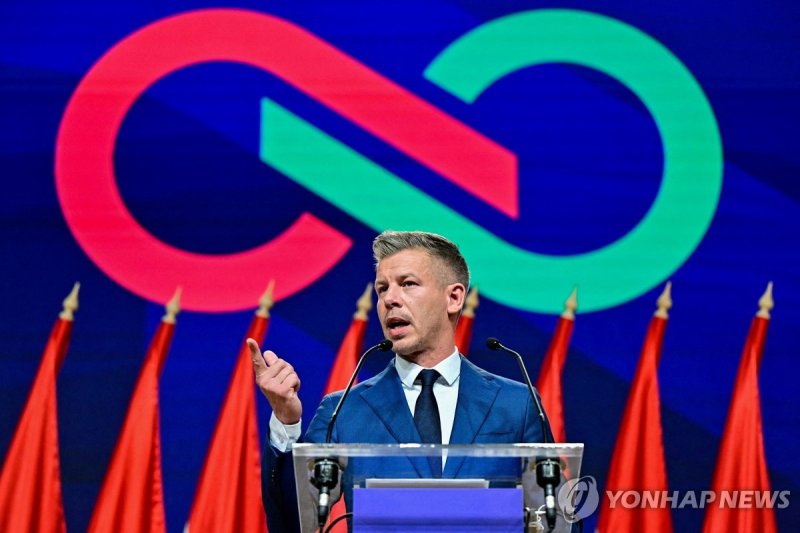
Even so, Politico argued that more attention should be paid not to Orbán’s loss but to the upstart opposition Tisza Party, which won the election, and to its leader, Péter Magyar. Magyar had been a little-known conservative politician within Fidesz – Hungarian Civic Alliance before breaking with Orbán and founding a new party. That party’s stunning surge now heralds the biggest transformation in Hungarian politics since the fall of the communist regime.
Politico wrote that Orbán’s downfall should be viewed primarily as “a victory for Péter Magyar, who created a new party, toppled an old one, and rendered the traditional political structure powerless.” It added that he has now joined a growing group of successful “rebel” politicians scattered from Paris, Rome, and Ottawa to Buenos Aires, Seoul, and Washington, D.C.
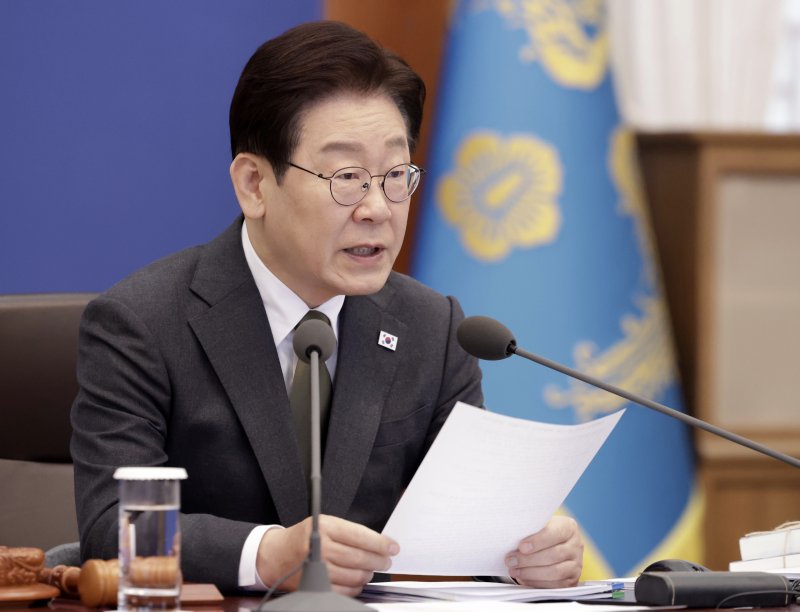
As examples, the article cited Canadian Prime Minister Mark Carney and President Lee Jae Myung of Korea. In Lee Jae Myung’s case, it argued, his rise can be seen as a precedent in which, within Korea’s dominant two-party framework, he built an independent power base inside the Democratic Party of Korea, distinct from the traditional mainstream Pro-Roh Moo-hyun faction and pro-Moon Jae-in faction, and on that basis captured both party leadership and the presidency.
CNN commented that “for populism to win every day and every week in the news cycle, it needs a constant supply of ‘enemies.’” It noted that “Orbán found plenty of them—nongovernmental organizations (NGO), liberal universities, George Soros, LGBTQ movements, the European Union (EU), and more—but in the end, he ran out of dragons to slay.”
NYT wrote that the right-wing populists of the Orbán system “ignored a Russian proverb that says politics always involves a tension between what’s on television and what’s in the refrigerator.” It observed that “Orbán bet everything on television, mobilizing a vast media machine to vilify his opponents, but in the end, economic failure caught up with him.”
[email protected] Hong Chae-wan Reporter