EU to Announce Energy Measures Next Week: "War Has Added 38 Trillion Won in Costs"
- Input
- 2026-04-14 09:55:25
- Updated
- 2026-04-14 09:55:25
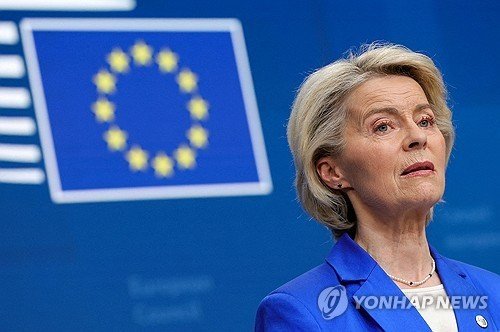
Ursula von der Leyen, President of the European Commission, said at a press conference after a meeting of the European Commission on the 13th (local time), "Since the outbreak of the war in the Middle East, surging oil and gas prices have imposed an additional burden of 22 billion euros (about 38.28 trillion won) on the 27 EU member states." She added, "We will present an EU-level response plan on the 22nd."
She explained, "The European Commission is considering measures such as easing state aid rules so that member states can support the industries that have been hit the hardest." She went on, "We are also discussing coordinating, at the EU level, the release of strategic oil reserves and the filling of gas storage facilities, in order to prevent member states from competing against each other in the market and driving up oil and gas prices." She added that "measures to improve energy efficiency, including replacing industrial equipment and renovating buildings, are also under consideration."
Von der Leyen stressed that "we are paying a high price for our excessive dependence on fossil fuels. Energy obtained from fossil fuels will remain the most expensive option going forward." She also underlined the importance of renewable energy and nuclear power. "We must expand the supply of affordable and reliable energy produced domestically," she said, adding, "The EU will accelerate the interconnection of power grids and, in May, will introduce new rules that include reforms to electricity bills and related charges."
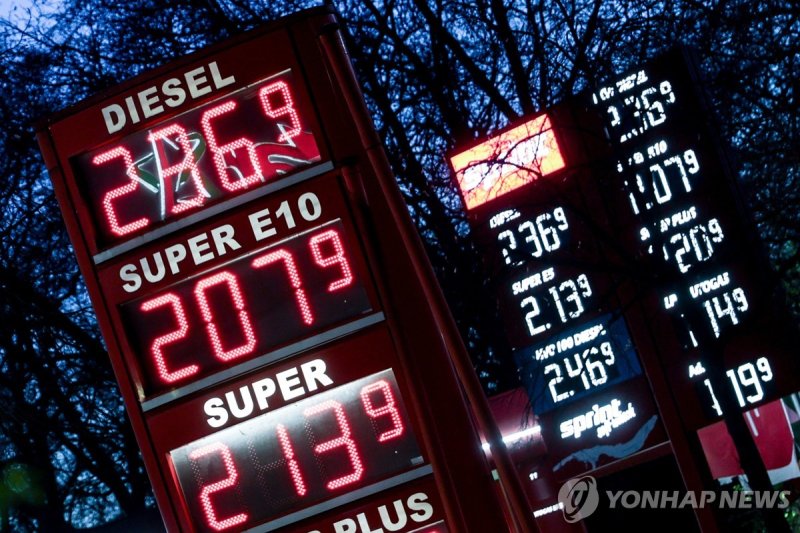
In this context, US media outlets, citing the French think tank Jacques Delors Institute, reported that "22 EU member states have already introduced policies worth 9 billion euros (about 15.67 trillion won), including cuts to fuel taxes, to counter rising energy prices." The reports also noted, "The measures the EU will announce next week are not expected to include a gas price cap," adding that "rather than radical changes, the goal of this package is to curb inflation and widening fiscal deficits in member states, while at the same time reducing dependence on fossil fuels."
[email protected] Hong Chae-wan Reporter