Korean-speaking nominee for U.S. ambassador to South Korea named, becoming second Korean American after Sung Y. Kim
- Input
- 2026-04-14 08:27:08
- Updated
- 2026-04-14 08:27:08
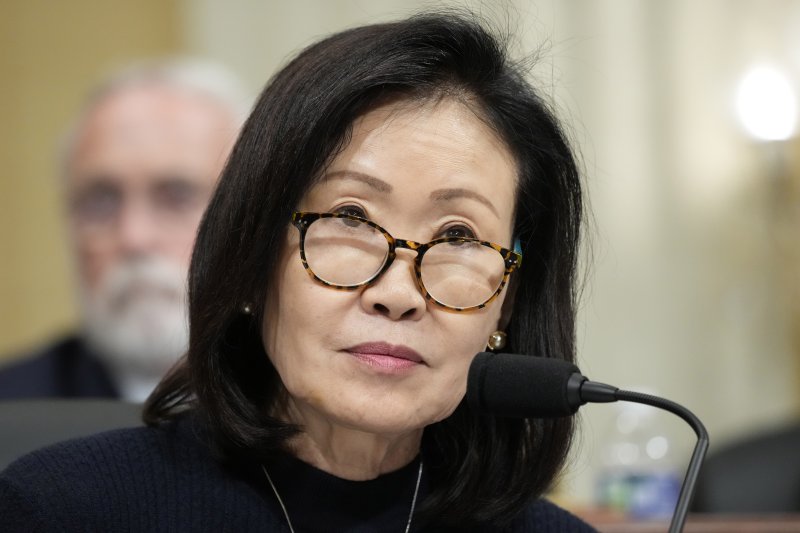
The White House announced the nomination of the United States Ambassador to South Korea on its website on the 14th and requested confirmation by the United States Senate. After a Senate confirmation hearing and vote, her formal appointment is expected to end the vacancy in the ambassadorship in Seoul that has lasted for more than a year, since Philip Goldberg, appointed under the Biden administration, left the post in January last year.
Michelle Park Steel had been mentioned as a leading candidate for United States Ambassador to South Korea since the launch of Trump’s second-term administration, and has now been formally chosen. Mike Johnson, speaker of the U.S. House of Representatives, former House Speaker Kevin McCarthy and other current and former Republican Party leaders in the House are said to have recommended Steel, regarded within the Republican Party as a prominent pro-Korea figure, for the post. Steel, who is 70 this year, is also reported to be fluent in Korean.
Born in Seoul in 1955, Steel spent part of her youth in Japan before immigrating to the United States with her family in 1975. A homemaker at the time, she became interested in politics after the 1992 Los Angeles riots, when she strongly felt the need for greater Korean American representation in elected office.
With support from her husband, attorney Shawn Steel, a former chair of the Republican Party (GOP) in the State of California, she entered politics. She went on to serve as an elected member of the California State Board of Equalization and as an Orange County, California supervisor, the county’s chief administrative official.
She then served four years as a Republican Party member of the U.S. House of Representatives beginning in 2021, but narrowly lost her seat by a margin of just over 600 votes in the November 2024 election.
Trump publicly endorsed Steel shortly before the election in October 2024 through his social media accounts.
During the prolonged vacancy in the post of United States Ambassador to South Korea, concerns grew in Seoul that South Korea might have slipped down the list of diplomatic priorities for Trump’s second-term administration, as there was no ambassador in place to communicate directly with Washington. In the interim, former U.S. Special Representative for North Korea Policy Joseph Yun and former Deputy Assistant Secretary in the Bureau of East Asian and Pacific Affairs Kevin Kim served as chargé d’affaires in Seoul.
Meanwhile, the U.S. ambassadors to Japan and China, whom Trump nominated while he was still president-elect, completed all required procedures, including Senate confirmation hearings, and took up their posts in April and May of last year, respectively.
Over the past decade, nominations for United States Ambassador to South Korea have been coming later and later. Joseph Robinette Biden Jr., as president, nominated Philip Goldberg as ambassador to Seoul in February 2022, about a year after taking office. During his first term, Trump also did not name Harry B. Harris Jr. as ambassador until May 2018, roughly 16 months after his inauguration.
[email protected] Kim Kyung-soo Reporter