Did the US Propose a 20-Year Halt to Uranium Enrichment? Iran Said No
- Input
- 2026-04-14 08:34:19
- Updated
- 2026-04-14 08:34:19
According to The Financial News, there are claims that during talks to end the war held in Pakistan on the 11th and 12th (local time), the USA demanded that the Islamic Republic of Iran halt uranium enrichment for 20 years. Iran, however, is said to have proposed a period of less than 10 years.
The Wall Street Journal (WSJ) reported on the 13th, citing unnamed officials, the details of the negotiations held in Islamabad, Pakistan. According to these officials, the USA asked the Islamic Republic of Iran to stop enriching uranium for 20 years and to ship all highly enriched uranium out of the country. Washington indicated it would ease sanctions on Iran if it halted enrichment for 20 years. It was not clear whether Iran would be allowed to freely enrich uranium again after that 20-year period.
WSJ noted that if these claims are accurate, the USA has softened its earlier nuclear-related demands on the Islamic Republic of Iran. The administration of Donald Trump had demanded a complete and permanent ban on uranium enrichment throughout both of his terms. Iran, however, has consistently rejected this, asserting its right under the Treaty on the Non-Proliferation of Nuclear Weapons (NPT) to enrich uranium for peaceful purposes, such as nuclear power generation. Uranium enriched to 90% purity can be used as material for nuclear weapons, while the international community generally regards uranium enriched to below 5% as low-enriched uranium suitable for power reactors.
According to the officials, the Islamic Republic of Iran rejected both of Washington’s key demands. Instead, Tehran indicated it could suspend uranium enrichment for less than 10 years, describing the period as "a few years."
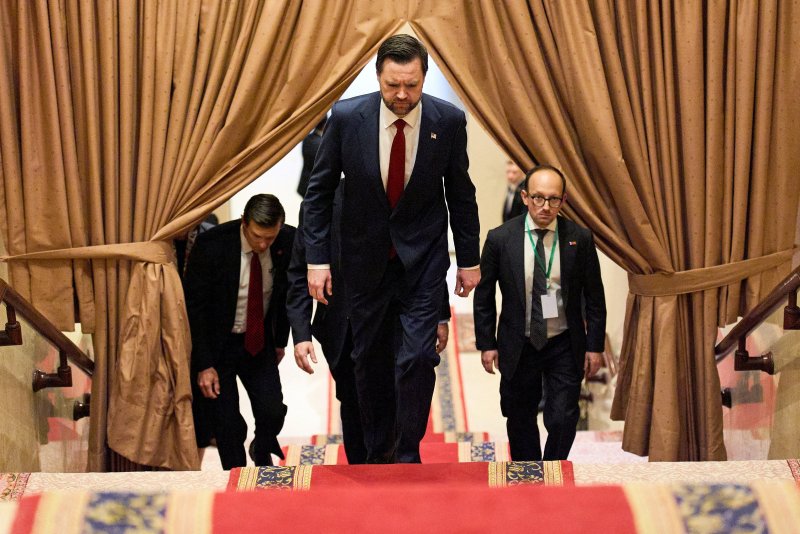
Donald Trump wrote on his social media platform Truth Social on the 12th, "The talks went well and we agreed on most points, but we did not reach agreement on the single most important element, 'nuclear'." He added, "Iran has no intention of abandoning its nuclear ambitions." J. D. Vance, who led the US negotiating team, said immediately after the talks collapsed on the 12th, "We showed flexibility, but Iran chose not to accept our final and best offer."
WSJ also reported that the two sides remained far apart on issues beyond the nuclear file. The USA pressed the Islamic Republic of Iran to stop supporting pro-Iran armed groups in the Middle East and to ensure freedom of navigation through the Strait of Hormuz. Iran reportedly rejected these demands as well.
Meanwhile, Egypt and the Republic of Türkiye, which have been mediating between the two sides, have not given up their efforts even as the two-week cease-fire deadline approaches. Hakan Fidan, Minister of Foreign Affairs of Türkiye, said on the 13th, "We can consider extending the cease-fire by 45 to 60 days in order to continue the negotiations."
[email protected] Park Jong-won Reporter